





What's Happening?
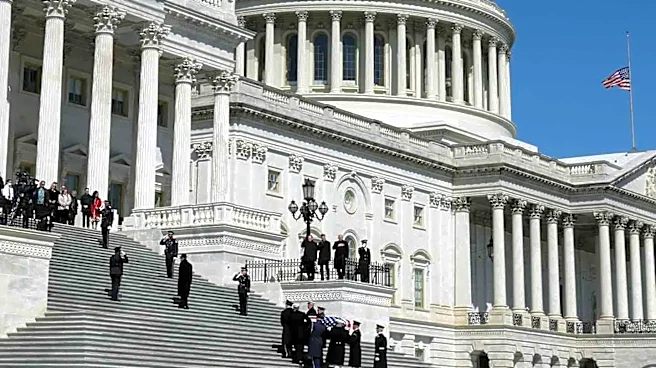
U.S. Representative Adrian Smith (NE-03), Chair of the House Ways and Means Subcommittee on Trade, along with Senator Jerry Moran of Kansas and 50 other congressional colleagues, has sent a letter to President Trump. The letter urges the administration
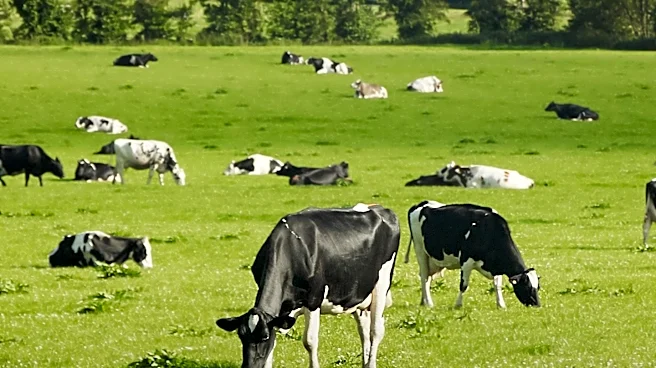
to prioritize expanding market access for American cattle producers and to reconsider its decision to allow 300,000 metric tons of tariff-free beef imports. This move by the Trump administration is intended to lower beef prices, which reached a record high of $6.90 per pound earlier this year, amidst a 75-year low in the U.S. cattle herd size. However, the lawmakers argue that such intervention threatens the long-term viability of family-owned cattle operations by picking 'winners and losers' in the market. They advocate for policies that foster existing domestic demand and expand overseas markets for American beef products, building on successful trade deals already secured by the administration.
Why It's Important?
This initiative is significant for the U.S. agricultural sector, particularly for cattle ranchers in states like Nebraska and Kansas. The letter highlights a tension between consumer prices and producer stability. While the administration aims to reduce beef prices for consumers through imports, domestic producers fear that increased foreign competition, especially tariff-free, could depress their earnings and hinder their ability to rebuild herds. The U.S. cattle herd is currently at a 75-year low, making the timing of import decisions critical for the industry's recovery and future growth. The lawmakers' appeal underscores the importance of market-based solutions and long-term confidence for ranchers, suggesting that trade deals and tax cuts are more effective in stimulating the market than direct import interventions. This debate impacts the economic well-being of thousands of family-owned cattle operations and the broader rural economies that depend on them.
What's Next?
The letter calls on President Trump to consult closely with impacted stakeholders and prioritize proposals that deliver long-term market stability and confidence for American livestock producers. This suggests that further discussions and potential policy adjustments regarding beef imports and domestic market support could be on the horizon. The lawmakers also emphasize the importance of passing a new Farm Bill, which they believe would provide ranchers with greater access to capital and flexibility within grazing and conservation programs. The administration's response to this bipartisan appeal will be crucial in determining the immediate future of U.S. beef import policies and the level of support for domestic cattle producers. The outcome could influence beef prices for consumers and the economic health of the U.S. cattle industry.
Beyond the Headlines
The push by Representative Smith and his colleagues reveals a deeper philosophical debate within the Republican party and the administration regarding trade and agricultural policy. On one hand, there's a desire to lower consumer costs, which aligns with broader economic goals. On the other, there's a strong commitment to protecting domestic industries and supporting American farmers, a key constituency. This situation highlights the complex interplay between international trade agreements, domestic agricultural policy, and consumer welfare. The long-term implications could include a re-evaluation of how the U.S. balances global trade with the protection of its domestic food supply chains and the livelihoods of its agricultural producers. It also brings to light the cyclical nature of cattle markets and the need for policies that provide stability rather than short-term fixes that could have unintended consequences for the industry.