





What's Happening?
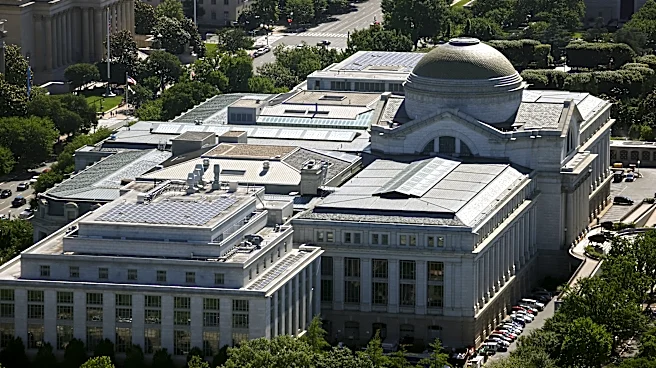
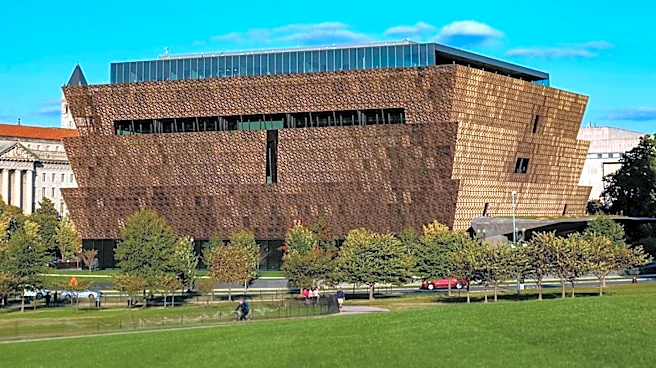
The Trump administration has issued a report accusing a Smithsonian museum of engaging in 'extreme political activism.' This accusation was discussed in an interview between NPR's Steve Inskeep and Sarah Weicksel from the American Historical Association.
The report suggests that the museum's activities and exhibits have crossed into political territory, which the administration views as inappropriate for a federally funded institution. The specifics of the alleged activism were not detailed in the source, but the accusation has sparked a conversation about the role of museums in political discourse and the boundaries of their educational missions.
Why It's Important?
This accusation by the Trump administration highlights ongoing tensions between federal institutions and cultural organizations regarding the role of politics in public education. Museums, often seen as neutral spaces for learning and reflection, are now at the center of a debate about their influence on public opinion and political discourse. The outcome of this situation could impact how museums curate their exhibits and engage with contemporary issues, potentially leading to changes in funding, oversight, and public perception. Stakeholders in the cultural sector, including historians and educators, may find themselves navigating new challenges in maintaining the balance between education and perceived political bias.