





What's Happening?
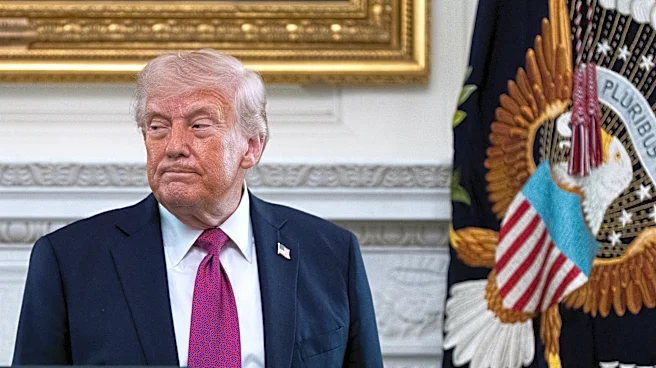
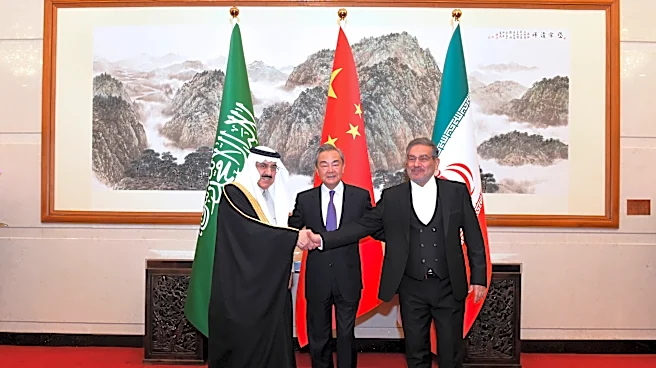
President Donald Trump has dispatched envoys Steve Witkoff and Jared Kushner to Pakistan to engage in discussions with Iran's Foreign Minister Abbas Araghchi. The talks aim to find a diplomatic resolution to the ongoing conflict between the United States
and Iran. Despite the presence of U.S. envoys, Iran has stated that no direct negotiations with American representatives will occur during this visit. Instead, Pakistani officials will act as intermediaries, conveying messages between the delegations. The U.S. continues to enforce a blockade against Iranian ports, maintaining military readiness in case talks fail.
Why It's Important?
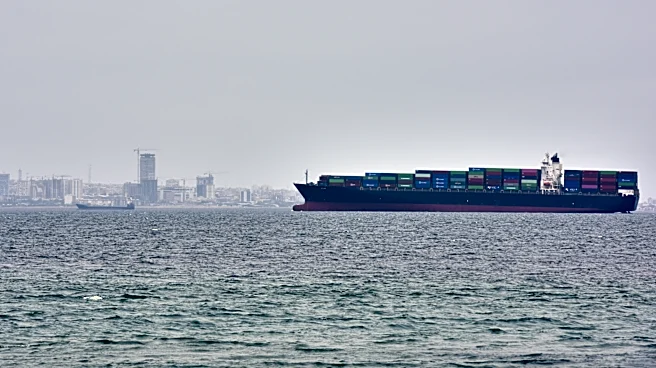
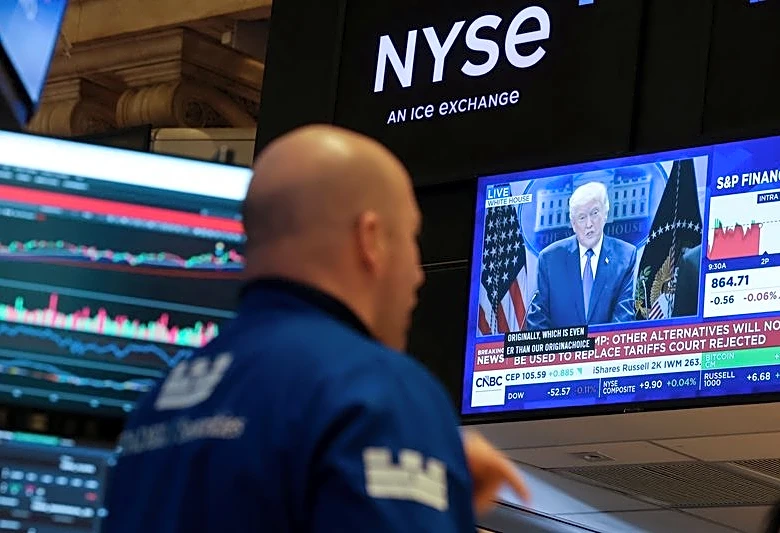
The diplomatic efforts are crucial as they represent a potential turning point in the U.S.-Iran conflict, which has seen significant military escalation. President Trump has extended the ceasefire, citing fractured leadership within Iran, and is awaiting a unified proposal from Tehran. The outcome of these talks could impact regional stability, U.S. foreign policy, and global oil markets, given the strategic importance of the Strait of Hormuz. Successful negotiations could lead to de-escalation and a shift in U.S.-Iran relations, while failure may result in renewed hostilities.
What's Next?
The U.S. military remains prepared for potential conflict escalation if diplomatic efforts do not yield results. The continuation of the blockade and military readiness signal the seriousness of the situation. Future talks may involve Vice President JD Vance if deemed necessary. The international community will closely monitor these developments, as they could influence geopolitical dynamics in the Middle East and beyond.