











What's Happening?
British celebrities, including Dame Judi Dench and Ricky Gervais, have written to Iceland's Minister of Food, Agriculture and Fisheries, Hanna Katrín Friðriksson, urging the government to end commercial whaling. The letter, facilitated by the animal welfare
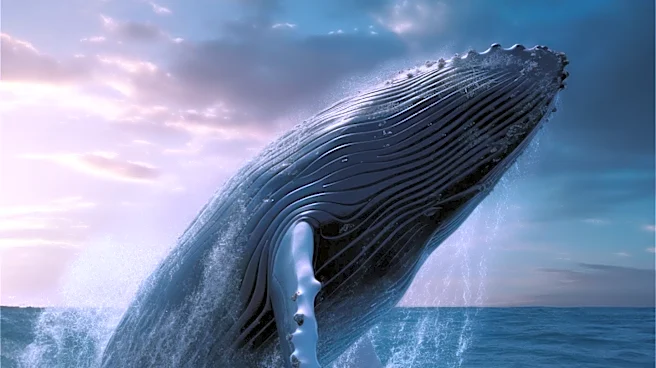
organization Humane World for Animals, supports the minister's intention to propose legislation banning commercial whaling in the next parliamentary session. This appeal comes in response to renewed scrutiny over whale welfare during the current hunting season, where 18 fin whales have been killed. The letter highlights a specific incident where a whale took approximately 30 minutes to die after being struck multiple times with explosive harpoons. The signatories advocate for replacing whale hunting with whale watching, suggesting it as a new chapter in Iceland's relationship with whales.
Why It's Important?
The call to end commercial whaling in Iceland is significant as it addresses both ethical and economic dimensions. Ethically, the prolonged suffering of whales during hunts has raised serious animal welfare concerns, prompting international attention and criticism. Economically, transitioning from whaling to whale watching could offer sustainable tourism opportunities, potentially benefiting Iceland's economy by attracting eco-conscious tourists. The involvement of high-profile celebrities amplifies the issue, potentially influencing public opinion and policy decisions. If Iceland proceeds with the proposed legislation, it could set a precedent for other countries engaged in whaling, contributing to global conservation efforts.
What's Next?
The Icelandic government is expected to introduce legislation to ban commercial whaling in the upcoming parliamentary session. The Icelandic Food and Veterinary Authority (MAST) is currently investigating the circumstances of the whale's death, which could influence the legislative process. The outcome of this investigation and the subsequent legislative actions will be closely watched by international animal welfare organizations and the public. If the ban is enacted, it may lead to increased pressure on other whaling nations to reconsider their practices.