









What's Happening?
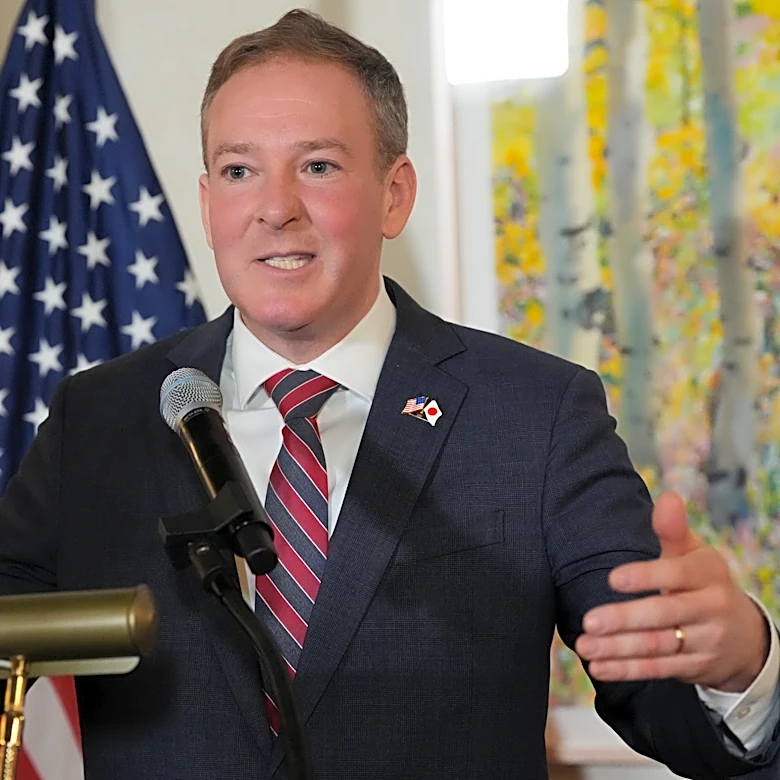
Markwayne Mullin, the U.S. Homeland Security Secretary, has proposed a significant shift in disaster response management, suggesting that state and local governments should take the lead instead of the Federal Emergency Management Agency (FEMA). During
a visit to Asheville, North Carolina, Mullin emphasized that FEMA should support existing first responders rather than act as the primary responder. This proposal comes amid ongoing recovery efforts from Hurricane Helene, which hit the region in September 2024. Mullin's comments have sparked debate, especially given his previous skepticism about the climate crisis and his lack of direct experience in disaster management. Critics have pointed out that his predecessor, Kristi Noem, faced criticism for policies that slowed FEMA's response, and Mullin has since rescinded some of these policies.
Why It's Important?
Mullin's proposal could reshape how disaster management is handled in the U.S., potentially increasing the responsibilities of state and local governments. This shift may lead to faster, more localized responses but could also strain resources in less prepared states. The debate highlights ongoing concerns about federal versus state roles in disaster management, especially as climate change increases the frequency and severity of natural disasters. Mullin's stance also reflects broader political discussions about the efficiency and scope of federal agencies like FEMA. The outcome of this proposal could impact future disaster preparedness and recovery efforts across the nation.
What's Next?
Mullin plans to brief the president on various disasters nationwide, indicating potential policy changes. The proposal may face opposition from states lacking resources to handle large-scale disasters independently. Congressional hearings or debates could arise as stakeholders, including state governments and disaster management experts, weigh in on the feasibility and implications of such a shift. The ongoing scrutiny of FEMA's performance and Mullin's leadership will likely continue, influencing future disaster response strategies.