




What's Happening?
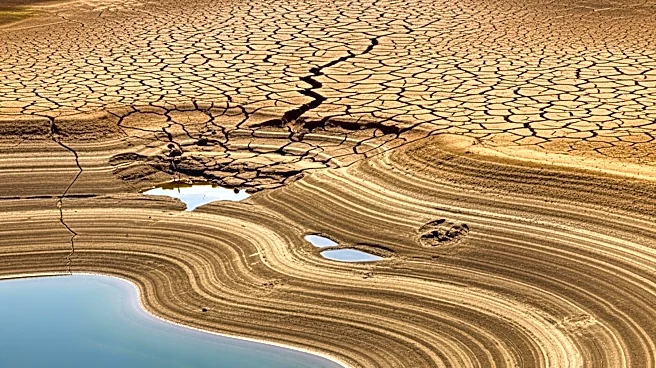
The U.S. cattle herd has reached its lowest level in 75 years, with only 86.2 million head of cattle reported at the start of the year. This decline is attributed to rising operational costs, drought, international competition, and industry consolidation.
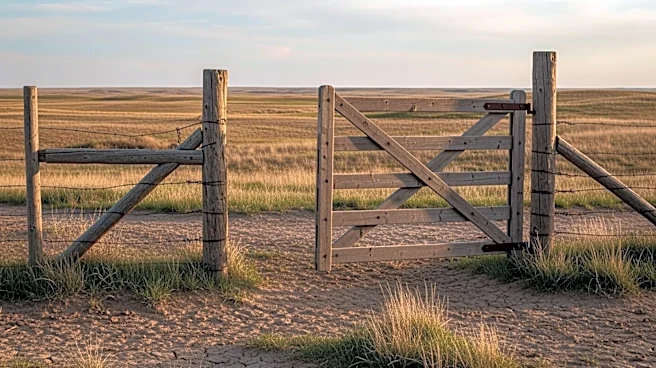
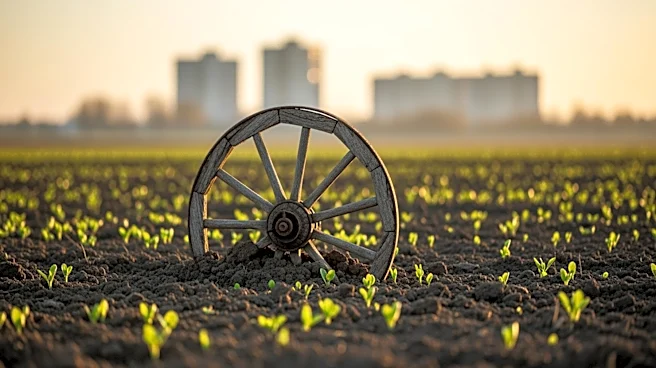
Despite the reduced herd size, beef production remains strong due to larger cattle. However, the high costs of raising cattle and borrowing money, coupled with the loss of farmland to urban sprawl, pose significant challenges for farmers. The USDA reports a 17% decline in cattle operations over five years, with fewer young farmers entering the industry.
Why It's Important?
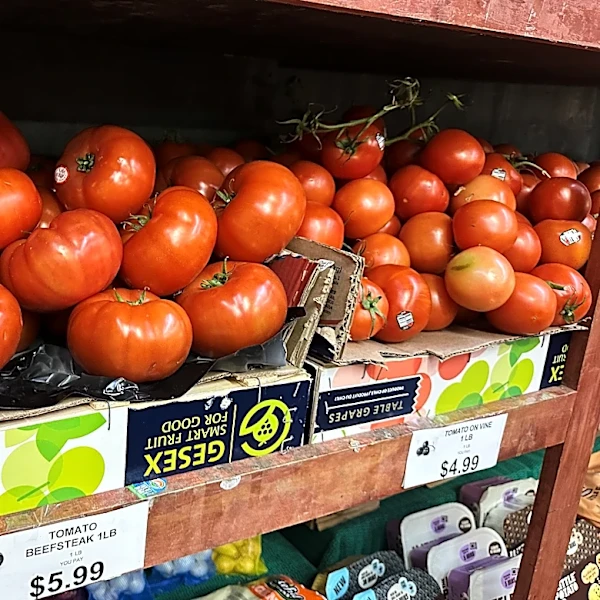
The shrinking cattle herd has significant implications for the U.S. beef industry and consumers. Higher operational costs and reduced herd sizes contribute to rising beef prices, affecting consumer spending and food security. The decline in cattle operations and the aging farmer population highlight the need for policies that support young farmers and sustainable agricultural practices. The situation also underscores the impact of climate change on agriculture, as severe weather events exacerbate financial challenges for farmers. Addressing these issues is crucial for maintaining a stable and resilient beef supply chain.
What's Next?
The U.S. beef industry may need to adapt by exploring alternative farming practices and technologies to mitigate the effects of climate change and economic pressures. Policymakers could consider incentives for young farmers and initiatives to preserve farmland. The ongoing investigation into meatpacking industry practices may also influence market dynamics and pricing strategies. As the industry navigates these challenges, stakeholders will need to balance economic viability with environmental sustainability and consumer demands.