






What's Happening?
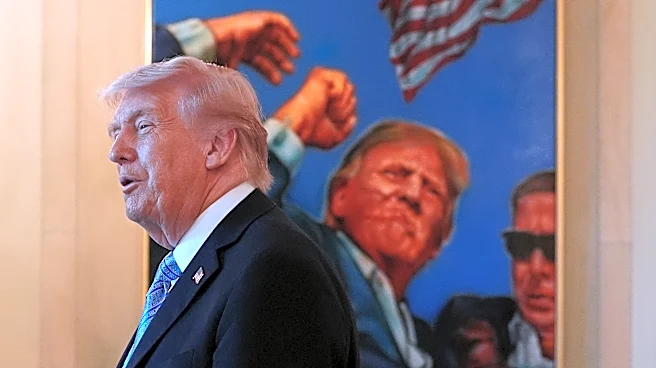
President Donald Trump's approval ratings have steadily declined, reaching a historic low of 35% according to CNN's Poll of Polls. This decline is attributed to several factors, including unpopular policies such as tariffs and the ongoing conflict with
Iran, which has led to rising gas prices. Trump's handling of the economy and cost-of-living issues has been particularly criticized, with many Americans feeling that he has not prioritized these concerns. The Republican Party faces potential backlash in the upcoming 2026 midterm elections, as Trump's unpopularity could influence voter sentiment and impact the party's electoral prospects.
Why It's Important?
The decline in President Trump's approval ratings is significant for the Republican Party, as it could affect their performance in the midterm elections. Historically, a president's approval rating is a key indicator of their party's success in midterms. With Trump's ratings at a low, the GOP may face challenges in retaining control of Congress. The economic issues, particularly the rising cost of living and gas prices, are central to voter dissatisfaction, potentially swaying public opinion against the current administration. This situation underscores the importance of economic stability in political approval and electoral outcomes.
What's Next?
As the midterm elections approach, the Republican Party may need to address the economic concerns that are contributing to President Trump's declining approval ratings. Efforts to stabilize gas prices and address the cost-of-living crisis could be pivotal in regaining voter confidence. Additionally, the party may need to strategize on how to mitigate the impact of these approval ratings on their electoral prospects. The outcome of the midterms will likely serve as a referendum on Trump's presidency and the Republican Party's handling of current economic challenges.