






What's Happening?
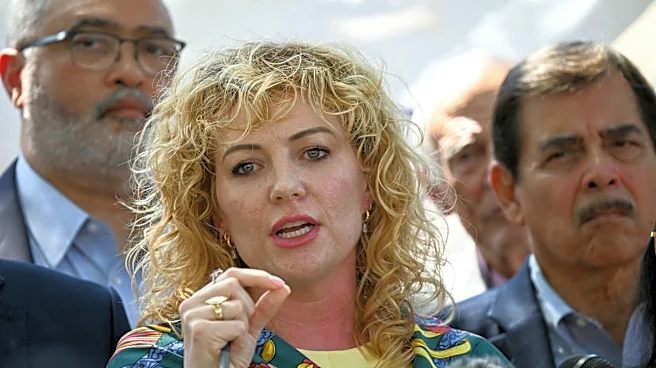
Ann Darling, a member of the Citizens Awareness Network, has criticized Vermont's Nuclear Decommissioning Citizens Advisory Panel (NDCAP) for its lack of public engagement regarding the Vermont Yankee nuclear power plant site. The plant ceased operations
in 2014 and is now largely decommissioned, with 60 casks of highly radioactive waste remaining. The site's owner, NorthStar, has leased it to PowerTransitions, a Texas-based energy development company, which is considering options such as a small modular nuclear reactor, battery storage, or a data center. Darling alleges that the NDCAP, chartered to advise the governor and legislature and serve as a conduit for public information, has failed in its outreach efforts, holding fewer meetings and not actively attracting public participation. This perceived lack of transparency is occurring while Governor Phil Scott promotes legislation to define nuclear power as clean energy and seeks to repeal a statutory requirement for legislative approval of future nuclear power use in Vermont.
Why It's Important?
The criticism of the NDCAP highlights a significant issue in public oversight and community involvement regarding the decommissioning of nuclear facilities and the future use of such sites. The potential for a new nuclear reactor, battery storage, or a data center at the Vermont Yankee site has substantial implications for the local environment, economy, and public health. A lack of transparent communication and public consultation can erode trust between government bodies, corporations, and affected communities. Governor Scott's legislative efforts to reclassify nuclear power as clean energy and remove legislative oversight could further reduce public input on critical energy decisions, potentially impacting environmental regulations and long-term waste management strategies. The unresolved questions about chemical contamination, waste ownership, and the planning process underscore the need for robust public discourse and accountability in decisions that have lasting consequences for the state.
What's Next?
Ann Darling's public commentary is likely to intensify calls for greater transparency and public engagement from the NDCAP, the Governor's office, and the Public Service Department. It may prompt increased scrutiny from other environmental groups and concerned citizens, potentially leading to demands for more frequent and accessible public meetings, as well as comprehensive reports on site contamination and future development plans. The legislative proposals by Governor Scott regarding nuclear power's classification and oversight will face continued debate, with environmental advocates and anti-nuclear groups likely to oppose measures that reduce public and legislative control. The future of the Vermont Yankee site, including the potential for new energy infrastructure or data centers, will remain a contentious issue, requiring clear communication and resolution of environmental and safety concerns.
Beyond the Headlines
This situation in Vermont reflects a broader national challenge concerning the decommissioning of aging industrial sites, particularly nuclear facilities, and their subsequent redevelopment. The tension between economic development opportunities (such as data centers or new energy projects) and environmental protection, public health, and community input is a recurring theme. The debate over defining nuclear power as 'clean energy' also touches upon the evolving understanding of sustainable energy sources and the criteria used to classify them, which has significant policy implications at both state and federal levels. Furthermore, the perceived silence of a public oversight body like the NDCAP raises questions about the effectiveness of such mechanisms in ensuring democratic accountability and genuine community involvement in complex technical and environmental decisions. This case underscores the importance of robust civic participation and transparent governance in managing the legacy of industrial infrastructure.