








What's Happening?
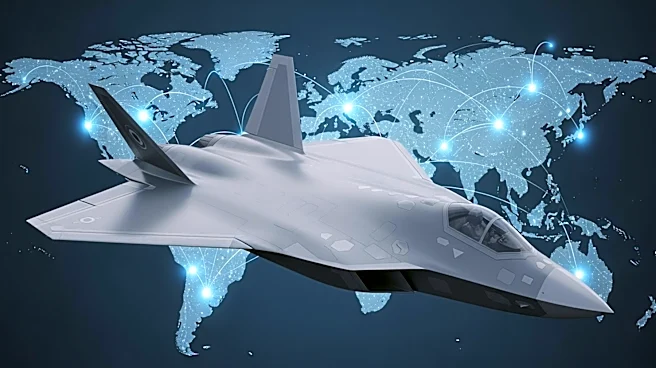
Greg Quinn, a former British diplomat, discusses the shifting dynamics in international defense alliances, particularly focusing on Canada's potential involvement in the Global Combat Air Programme (GCAP). This initiative, a collaboration between the United
Kingdom, Italy, and Japan, aims to develop a next-generation fighter aircraft by 2035. Quinn highlights the growing sentiment in Canada and other nations to reduce reliance on U.S. defense equipment, citing the unpredictability of the United States as an ally under President Trump's administration. The GCAP represents an opportunity for Canada to diversify its defense partnerships and gain more control over its military capabilities.
Why It's Important?
The potential shift in Canada's defense strategy underscores a broader trend of countries seeking to diversify their military alliances and reduce dependency on the United States. This move could have significant implications for the U.S. defense industry, which has traditionally been a major supplier of military equipment to allied nations. By joining GCAP, Canada could enhance its defense capabilities and foster closer ties with other global powers, potentially altering the balance of military cooperation within NATO. This development reflects a growing recognition of the need for strategic autonomy in defense matters, driven by changing geopolitical realities and the perceived unpredictability of U.S. foreign policy.
What's Next?
If Canada decides to join the GCAP, it could initially participate as an observer, with the possibility of deeper involvement in the future. This decision would likely prompt discussions within the Canadian government and defense industry about the benefits and risks of such a partnership. Additionally, other countries may watch Canada's decision closely, as it could influence their own defense strategies and alliances. The U.S. may respond by reassessing its defense commitments and strategies to maintain its influence among traditional allies.
Beyond the Headlines
The potential realignment of defense partnerships could have long-term implications for global security dynamics. As countries like Canada explore new alliances, there may be shifts in military procurement practices and strategic priorities. This could lead to increased competition among defense contractors and a reevaluation of existing military agreements. Furthermore, the move towards greater defense autonomy may encourage other nations to pursue similar strategies, potentially reshaping the landscape of international military cooperation.