




What's Happening?
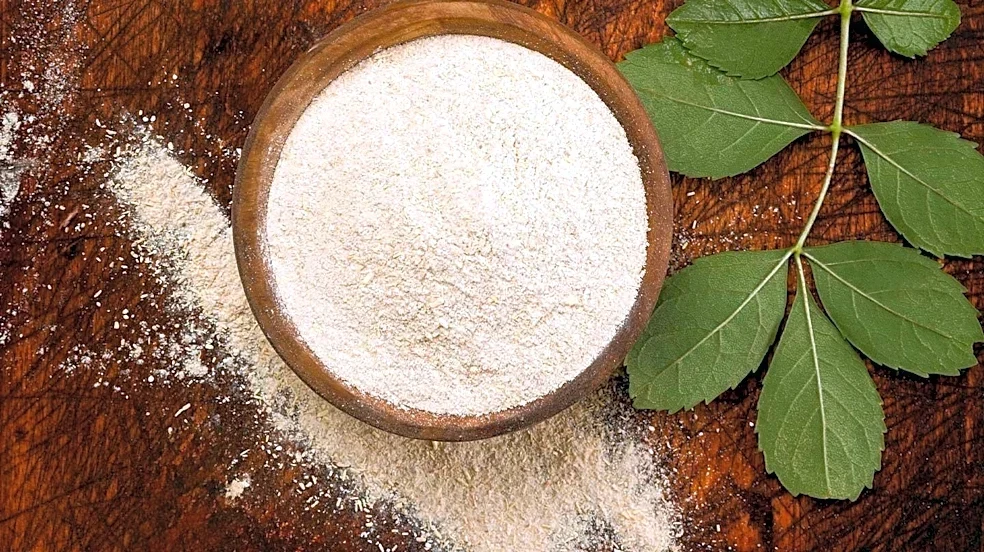
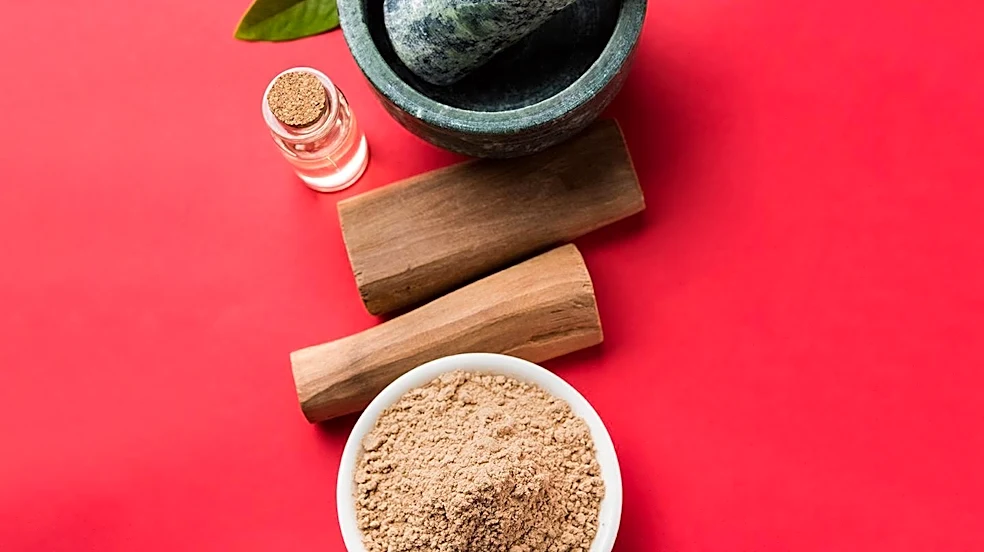
Ashwagandha, an herb traditionally used in Ayurvedic practice, has gained significant attention for claims of boosting testosterone. However, recent analyses of clinical trials indicate that its effect on testosterone levels is modest, typically increasing
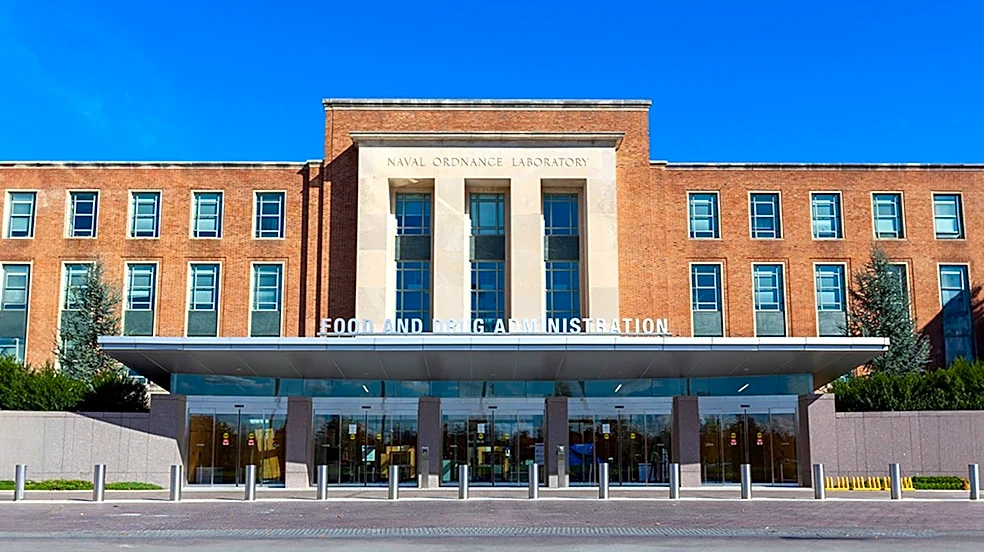
levels by 10 to 20 percent within the normal range over 8 to 16 weeks, primarily in men who are overweight, infertile, or beginning resistance training. The evidence supporting these claims is considered low to moderate in strength, with trials often being small, short-duration, and sometimes funded by manufacturers. Simultaneously, the NIH LiverTox database has classified ashwagandha as a probable cause of liver injury, with dozens of published cases reporting cholestatic liver damage appearing two to twelve weeks after starting the supplement. While most cases resolved after discontinuation, some individuals experienced serious illness. The Food and Drug Administration (FDA) does not review dietary supplements like ashwagandha for effectiveness before sale, meaning manufacturers' claims are not verified by a regulatory agency.
Why It's Important?
The growing popularity of ashwagandha and similar adaptogens in the U.S. highlights a significant gap in consumer understanding and regulatory oversight within the dietary supplement market. The discrepancy between marketing claims and scientific evidence, coupled with potential health risks like liver injury, poses a public health concern. This situation underscores the need for greater consumer education regarding the 'dietary supplement' classification, which exempts products from pre-market FDA review for efficacy and safety. For U.S. consumers, relying on unverified claims can lead to ineffective self-treatment, delayed diagnosis of underlying health issues, and potential adverse reactions. Healthcare providers face the challenge of counseling patients on supplements with limited robust data and the risk of drug-supplement interactions. This scenario could prompt calls for stricter regulation of supplement marketing and a more proactive approach from health agencies to inform the public about the limitations and risks associated with these products.
What's Next?
Given the accumulating case reports of liver injury and the modest, qualified nature of its benefits, there may be increased scrutiny from U.S. health authorities and consumer advocacy groups regarding ashwagandha and other adaptogenic supplements. This could lead to enhanced public awareness campaigns from organizations like the NIH Office of Dietary Supplements, providing more detailed and cautious guidance. Healthcare professionals are likely to become more proactive in asking patients about supplement use and advising caution, especially for individuals with pre-existing conditions or those on multiple medications. Manufacturers might face pressure to conduct larger, independent clinical trials to substantiate their claims and to provide clearer warnings about potential side effects. The ongoing discussion could also influence future regulatory debates on how dietary supplements are marketed and sold in the U.S., potentially leading to reforms that require more rigorous pre-market evaluation or clearer disclaimers about unverified claims.
Beyond the Headlines
The ashwagandha phenomenon reflects a broader societal trend of seeking 'natural' solutions for health and wellness, often driven by social media influence and a distrust of conventional medicine. This trend, while promoting self-care, also exposes individuals to products with unverified claims and potential risks, highlighting a critical need for media literacy and critical thinking in health information consumption. The 'adaptogen' concept, lacking formal medical definition, taps into a desire for stress resilience in a fast-paced world, but without scientific rigor, it can be exploited by marketing. Ethically, the situation raises questions about the responsibility of manufacturers to accurately represent product benefits and risks, and the role of influencers in promoting health products without adequate scientific backing. This dynamic underscores the tension between traditional herbal wisdom and modern scientific validation, and the challenges of integrating them responsibly into public health discourse.