




What's Happening?
International tourism to the United States has seen a significant decline, with figures from the US Travel Association indicating a 2% year-on-year drop in June, 7% in July, and 11% in August. This downturn occurred despite the 'PR victory' of the FIFA
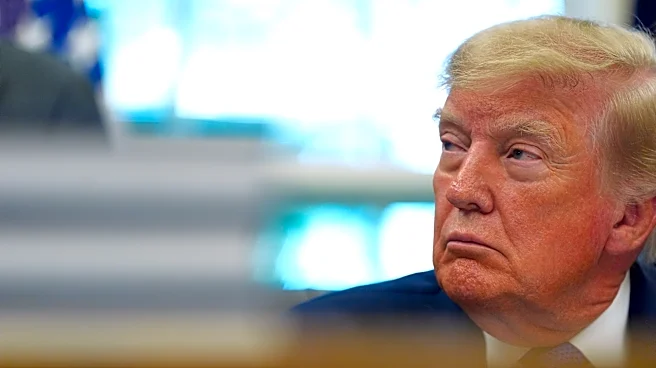
World Cup, which the US co-hosted with Canada and Mexico. Geoff Freeman, CEO of the US Travel Association, attributes this decline to several factors, including high US travel costs, tariffs, trade disputes, and what he describes as 'false rumors' among foreign travelers about the US. The number of international visitors decreased by 11 million in 2025 and is projected to fall by another 2 million this year, representing a 20% reduction from pre-pandemic levels. Freeman met with President Trump to discuss potential solutions, emphasizing the need for clearer and more positive messaging to foreign tourists.
Why It's Important?
The decline in international tourism has significant economic implications for the United States. The tourism sector supports numerous jobs and contributes substantially to the national GDP through visitor spending on accommodation, transportation, dining, and attractions. A sustained decrease in foreign visitors can lead to job losses, reduced revenue for businesses, and a broader negative impact on local economies that rely heavily on tourism. Furthermore, the perception of the US as an unwelcoming or difficult destination due to 'false rumors' and policy concerns can have long-term effects on its global image and competitiveness in the international tourism market. The situation highlights the critical role of government policy and public messaging in shaping international travel patterns and economic outcomes.
What's Next?
Geoff Freeman has outlined several steps to reverse the decline in international tourism. He considers President Trump's recent post about the importance of international travel and easing entry for tourists as a 'critical first step.' The next phase involves a national focus on improving underlying processes and perceptions of US tourism. Freeman also advocates for protecting funding for Brand USA, the organization responsible for promoting international visits, whose budget was significantly cut. He stresses the importance of combating misinformation, particularly regarding policies like the controversial social media review for visa-exempt visitors and a proposed $250 fee for visa-less tourists. Freeman believes that decoupling tourism from debates about illegal immigration and streamlining visa processes, similar to the 'Visa Fastpass' used during the World Cup, are crucial for recovery.
Beyond the Headlines
The challenges facing US international tourism extend beyond economic figures, touching upon issues of national image and global relations. The 'false rumors' and perceptions of unwelcomeness among foreign travelers suggest a deeper concern about how the US is viewed on the world stage. This situation underscores the delicate balance between national security measures and the economic benefits of open tourism. The debate over policies like social media reviews and potential entry fees highlights the tension between perceived security needs and the desire to attract international visitors. The call to 'decouple tourism from debates about illegal immigration' points to a broader societal discussion about immigration policy and its unintended consequences on legitimate travel and economic sectors. The long-term implications could affect cultural exchange and the US's soft power globally.