








What's Happening?
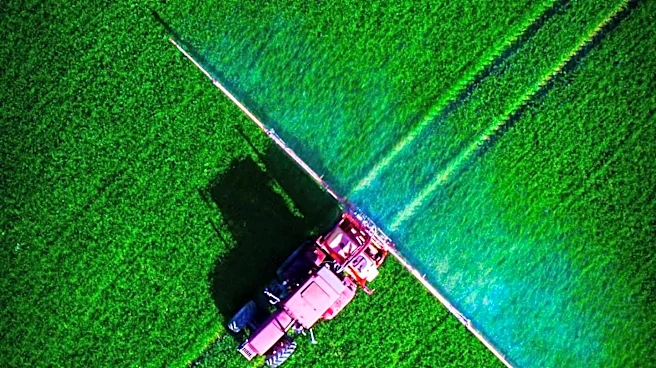
In Hebron, New York, residents are raising concerns about the herbicide paraquat, which has been linked to Parkinson's disease. The town, dubbed 'Parkinson's Valley,' has seen a high incidence of the disease among its residents, with many attributing
it to paraquat exposure. Despite being banned in over 70 countries, paraquat is still used in the U.S., and recent studies have shown a strong correlation between the herbicide and Parkinson's. Efforts to ban paraquat in New York have stalled, but advocates continue to push for legislative action.
Why It's Important?
The situation in Hebron highlights the ongoing debate over the safety of agricultural chemicals and their impact on public health. The link between paraquat and Parkinson's disease raises significant concerns about the regulation of pesticides in the U.S. and the need for stricter safety measures. The case also underscores the broader issue of environmental health and the responsibility of manufacturers and regulators to protect communities from harmful exposures. The outcome of this debate could influence future policies on pesticide use and public health protections.
What's Next?
Advocates for a paraquat ban in New York plan to renew their efforts in the next legislative session. The ongoing scrutiny of paraquat's safety may lead to increased pressure on regulators and manufacturers to address the health risks associated with the herbicide. As more research emerges, there could be a push for nationwide policy changes to restrict or ban paraquat use. The situation in Hebron may also prompt other communities to examine the potential health impacts of agricultural chemicals in their areas.