




What's Happening?
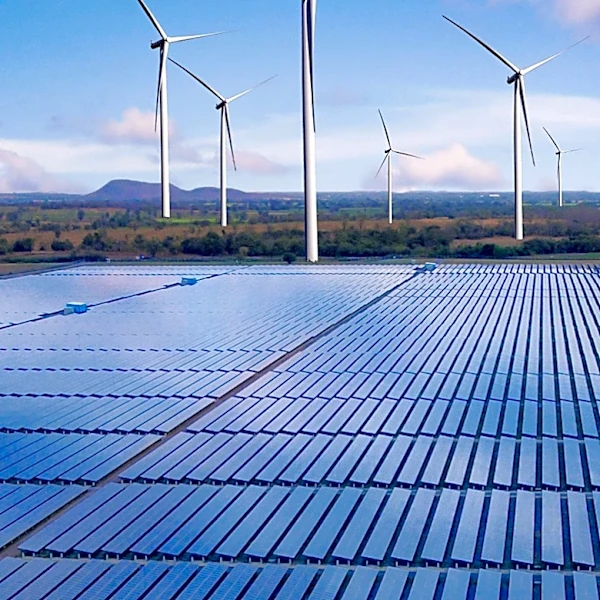
An international study, involving the Institute of Environmental Science and Technology at the Universitat Autònoma de Barcelona (ICTA-UAB), has found that the rapid expansion of renewable energy projects is systematically violating the claims and livelihoods
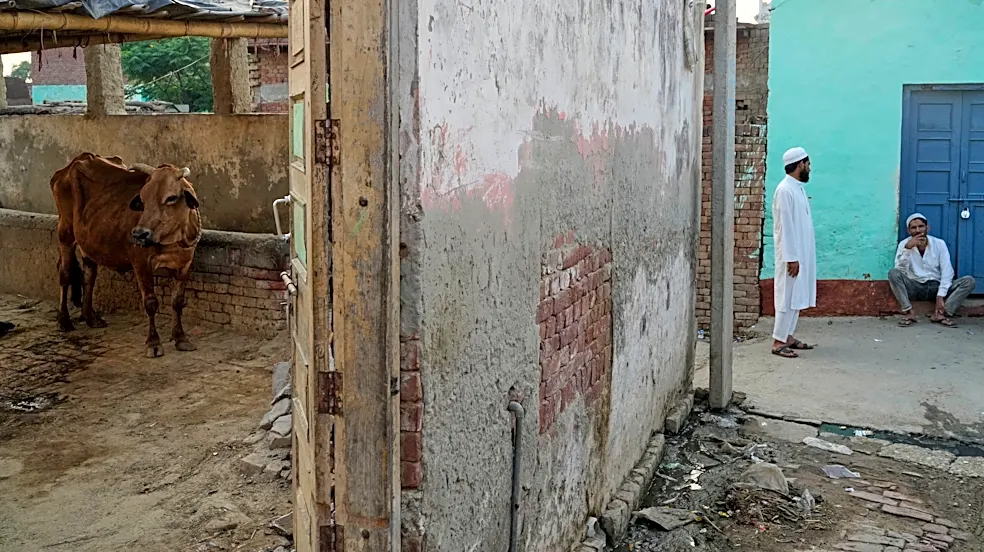
of local communities globally. Large energy corporations are using corporate sustainability discourses to legitimize wind, solar, and hydropower projects. However, these projects often exclude communities from fair economic and financial returns and disregard their social and environmental impacts. The research, published in the scientific journal Ecological Economics, analyzed 15 cases of social conflicts related to renewable energy projects by the Italian group Enel, one of the world's largest electricity utilities, across the United States, Mexico, Guatemala, Colombia, Chile, Brazil, India, and Western Sahara. The study highlights that corporations unilaterally define 'value' in the energy transition, overlooking fundamental community values such as cultural ties to land, food sovereignty, health, and autonomy over natural resources.
Why It's Important?
This study is important because it exposes a critical disconnect between corporate sustainability rhetoric and the on-the-ground realities for communities affected by renewable energy development. While the push for renewable energy is crucial for addressing climate change, the findings suggest that current implementation models often prioritize profit over territorial well-being and human rights. The 'green and social washing' identified in the study indicates that corporations may be leveraging the urgency of climate action to accelerate infrastructure building without adequate consideration for local populations. This can lead to forced displacement, disruption of traditional economies, health issues, and the dismissal of spiritual or relational values. For the U.S., where renewable energy projects are also expanding, these findings serve as a cautionary tale, emphasizing the need for more robust community engagement, equitable benefit-sharing, and comprehensive impact assessments that include non-economic values.
What's Next?
The study calls on governments and institutions to establish energy governance based on plural values, moving beyond mere consultation to grant affected communities real co-decision power. This would necessitate impact assessments that acknowledge relational and spiritual values, including those related to non-human species. Additionally, the authors advocate for collectively decided benefit-sharing mechanisms and strong support for community-run energy systems. This suggests a future where regulatory frameworks might need to be strengthened to ensure that corporate sustainability claims are genuinely reflected in practice, potentially leading to more stringent requirements for environmental and social impact assessments for renewable energy projects, both domestically and internationally. Increased scrutiny from social movements, NGOs, and journalists is also likely to continue, pushing for greater accountability from energy corporations.
Beyond the Headlines
The deeper implication of this research lies in its challenge to the prevailing narrative of a universally beneficial energy transition. It highlights the ethical dilemma of achieving climate goals at the expense of vulnerable communities, suggesting that the 'problematic modus operandi of transnational corporations' persists despite evolving corporate responsibility discourses. The concept of 'creating shared value' is critiqued as a corporate narrative that allows companies to define value in their own terms, often excluding the intrinsic values of affected populations. This raises fundamental questions about environmental justice and the equitable distribution of the burdens and benefits of climate action. It also underscores the need for a more holistic understanding of sustainability that integrates social equity and human rights as core components, rather than treating them as secondary considerations or mere public relations exercises.