


What's Happening?
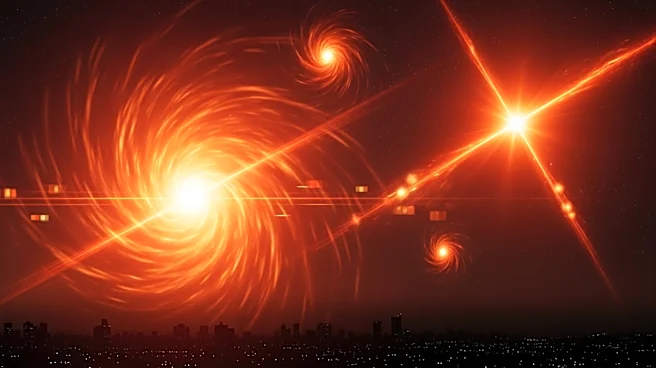
A recent report by the U.K.'s Science and Technology Facilities Council (STFC) highlights the potential societal impacts of a worst-case solar storm scenario. Such an event, occurring roughly once every 100 to 200 years, could significantly disrupt modern
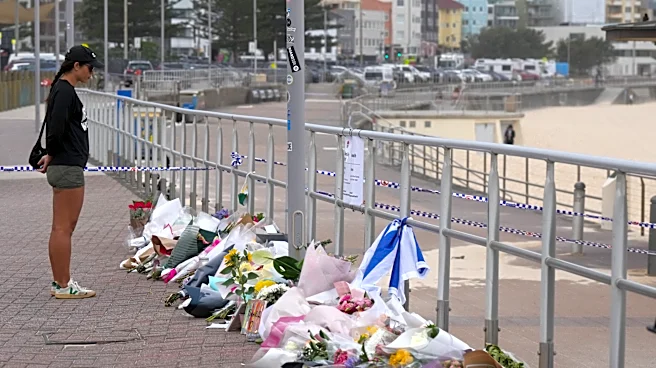
technology and influence human behavior. The report warns that extreme space weather, characterized by solar flares and coronal mass ejections, could lead to panic buying, misinformation, and public unrest. The lack of public understanding about space weather exacerbates these risks, as misinformation could spread rapidly through social media, increasing public anxiety. The report draws parallels to the COVID-19 pandemic, where panic buying led to shortages, suggesting similar behavior could occur during a severe space weather event.
Why It's Important?
The potential impacts of a worst-case solar storm are significant for both technological infrastructure and societal stability. Disruptions to satellite operations and power grids could have widespread economic consequences, affecting industries reliant on technology. Moreover, the societal response, including panic buying and public disorder, could exacerbate the crisis, leading to shortages and increased tensions. Understanding and preparing for such events is crucial to mitigate their effects. The report emphasizes the need for improved public awareness and scientific communication to prevent misinformation and manage public reactions effectively.
What's Next?
To address the potential impacts of extreme space weather, there is a need for both technological and societal preparedness. Strengthening infrastructure to withstand solar storms is essential, as is enhancing public understanding of space weather. Governments and scientific organizations may need to develop strategies for effective communication and public education to reduce the risks of misinformation and panic. Additionally, contingency plans for managing public order and ensuring equitable resource distribution during crises could help mitigate the societal impacts of such events.
Beyond the Headlines
The report also touches on the psychological and cultural dimensions of extreme space weather events. It highlights the potential for millenarian beliefs to gain traction, where some individuals or groups might interpret such events as apocalyptic. This underscores the importance of addressing not only the technological but also the human aspects of space weather preparedness. In a digital age where information spreads rapidly, fostering a well-informed public could help prevent the escalation of fringe beliefs into widespread panic.