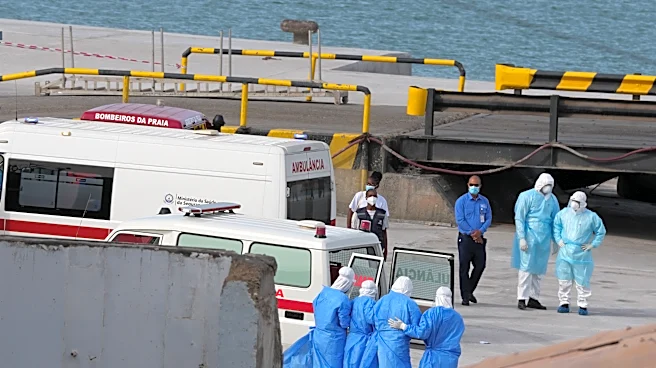









What's Happening?
Following a hantavirus outbreak on a cruise ship, experts have reassured the public that there is no immediate threat of the virus spreading to Chicago. Hantaviruses, primarily found in rodents, can cause severe respiratory and kidney issues in humans.
The recent outbreak involved the Andes virus strain, which can spread through close contact. Despite the outbreak, experts emphasize that the risk to the general public remains extremely low, with only one case reported in Illinois in the past decade.
Why It's Important?
The reassurance from experts is crucial in preventing public panic and maintaining trust in public health communications. Understanding the low risk of hantavirus in urban areas like Chicago helps focus resources on more pressing health threats. The situation underscores the importance of monitoring zoonotic diseases and the potential impact of climate change and urbanization on the spread of such viruses. Public health officials must continue to educate the public on preventive measures while remaining vigilant for any changes in the virus's behavior.
Beyond the Headlines
The discussion around hantavirus also highlights broader concerns about emerging infectious diseases and the factors contributing to their spread. Climate change, deforestation, and urbanization are creating new interactions between humans and wildlife, potentially increasing the risk of novel virus transmission. This situation calls for enhanced surveillance and research to better understand and mitigate these risks.