








What's Happening?
The Food and Drug Administration (FDA) has identified a potential source of the cyclosporiasis outbreak that was linked to lettuce over the summer. During onsite inspections of Taylor Farms de Mexico facilities, the FDA collected samples that tested positive
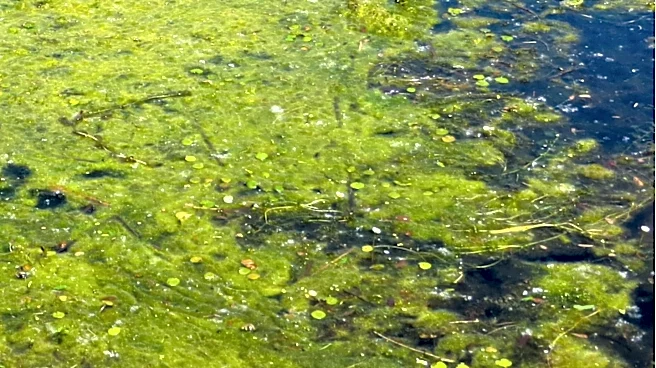
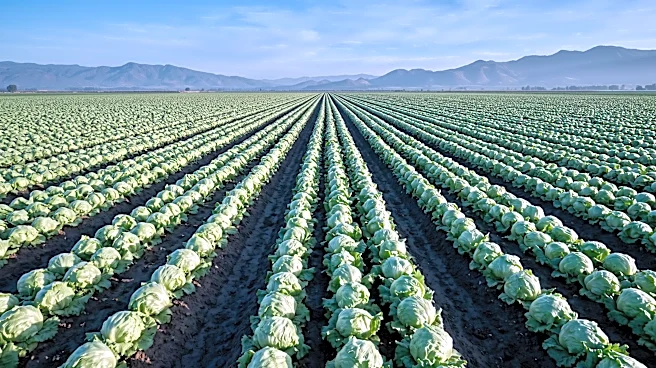
for the Cyclospora parasite. One positive sample was found in a tank holding outgoing wastewater from a processing facility, and another was from a drainage ditch of an iceberg lettuce grower. While the FDA states there isn't enough evidence to conclusively determine how contamination occurred, these positive samples indicate the presence of Cyclospora in the environment where lettuce was grown and processed. This finding supports epidemiological data and traceback convergence linking the outbreak to recalled shredded iceberg lettuce from Taylor Farms de Mexico. The investigation has concluded, and health officials are confident that all recalled lettuce is off the market. Taylor Fresh Foods stated its facility in central Mexico remains closed for enhanced safety protocols, and the independent grower where a positive sample was found is no longer part of their supplier program.
Why It's Important?
This development is important for public health and food safety in the U.S., as it sheds light on the potential origins of a significant cyclosporiasis outbreak. The outbreak infected at least 12,883 people across 21 states, with 570 hospitalizations and two deaths in Michigan. The identification of Cyclospora in the growing and processing environment underscores the challenges in ensuring the safety of fresh produce, particularly when sourced internationally. For consumers, this highlights the ongoing risks associated with foodborne illnesses and the importance of food safety regulations. For the agricultural and food processing industries, especially those importing produce, it emphasizes the need for stringent environmental monitoring and sanitation practices to prevent contamination. The recall by Taylor Farms de Mexico and Taco Bell's decision to cease using their lettuce demonstrate the immediate economic and reputational consequences for companies involved in such outbreaks, impacting supply chains and consumer trust.
What's Next?
Following the FDA's findings, Taylor Fresh Foods has indicated that its facility in central Mexico remains closed as the company works to implement enhanced safety protocols. The independent grower linked to a positive sample is no longer part of their supplier program, suggesting a shift in sourcing practices. The FDA's investigation is closed, and health officials believe all recalled lettuce is off the market, which should mitigate immediate public health risks from this specific outbreak. However, the broader implications for food safety regulations and international produce sourcing may lead to further discussions. Stakeholders, including regulatory bodies, food producers, and consumer advocacy groups, may review existing protocols for imported produce to prevent future outbreaks. This could involve stricter testing, more frequent inspections, or revised guidelines for wastewater management and drainage in agricultural settings. Consumers will likely remain vigilant about food safety, potentially influencing purchasing decisions regarding fresh produce.
Beyond the Headlines
The identification of Cyclospora in wastewater and drainage ditches points to a deeper issue concerning agricultural water management and environmental hygiene in food production. This incident highlights the complex interplay between agricultural practices, environmental conditions, and public health, particularly in a globalized food supply chain. The fact that the exact mechanism of contamination remains unclear, despite the presence of the parasite, underscores the scientific and logistical challenges in tracing foodborne pathogens. This situation could prompt a re-evaluation of international food safety agreements and the responsibilities of importing countries to ensure the safety of products entering their markets. Furthermore, it raises ethical questions about the transparency and accountability of food producers and suppliers in preventing contamination. The long-term shift could involve greater investment in advanced detection technologies and more comprehensive risk assessment models for agricultural environments, aiming to prevent such outbreaks rather than merely responding to them.