








What's Happening?
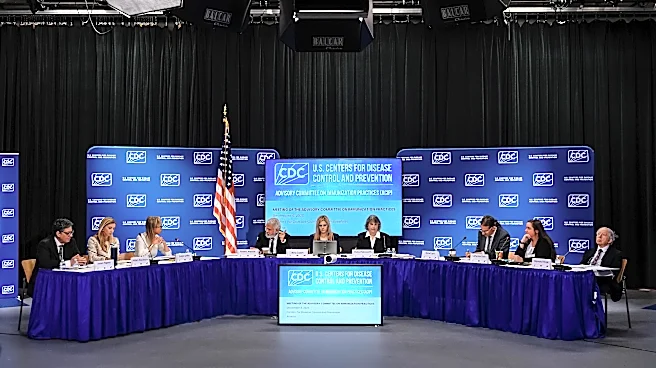
Robert F. Kennedy Jr. is advocating for significant changes to the U.S. Preventive Services Task Force, which plays a crucial role in determining the preventive services that insurers must cover. Kennedy has criticized the task force for being too conservative,
particularly in its reluctance to recommend coverage for certain tests like those for Alzheimer's disease. His push for reform has garnered support from some patient advocacy groups and test manufacturers who stand to benefit from expanded coverage. However, this move has also raised concerns among some doctors and former task force members who fear that the changes could lead to recommendations that are not evidence-based, potentially increasing insurance premiums without clear health benefits.
Why It's Important?
The proposed changes by Kennedy could have significant implications for the U.S. healthcare system. By potentially expanding the range of preventive services covered by insurance, the reforms could increase access to early detection and treatment of diseases, which might improve health outcomes. However, there is a risk that these changes could lead to higher insurance premiums if the additional services are not cost-effective. The debate highlights the tension between expanding healthcare access and managing costs, a critical issue in U.S. healthcare policy. Stakeholders such as insurance companies, healthcare providers, and patients could be affected, with insurers particularly concerned about the financial implications of covering more services.
What's Next?
The Department of Health and Human Services is expected to announce new members for the task force soon, with a meeting planned for late August. The outcome of these changes will depend on the composition of the new task force and the recommendations they make. There is potential for legal challenges if the reforms are perceived to bypass established processes or if they significantly alter the current evidence-based approach. The healthcare industry and patient advocacy groups will likely continue to lobby for their interests as the situation develops.