







What's Happening?
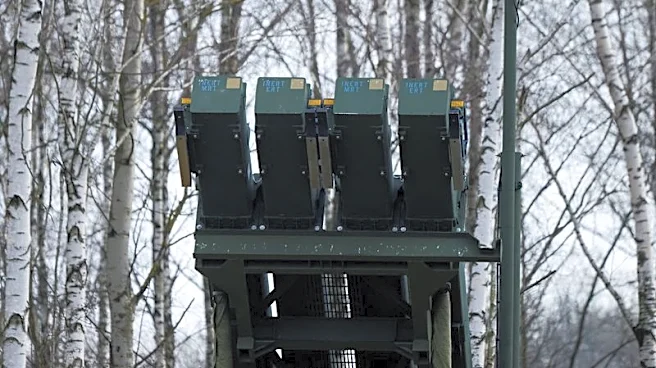
Ukraine is initiating grant programs to foster the domestic production of air-to-air missiles and radars. This strategic move, announced by Defense Minister Yevhenii Khmara, aims to provide a cost-effective solution for intercepting Russia's increasingly
sophisticated and numerous drones and missiles. The Ministry of Defense, the Ministry of Digital Transformation, and the Brave1 defense-tech cluster are collaborating on these competitions, with a future grant contest for turbojet engines also planned. The initiative comes as Ukraine faces the challenge of using expensive air defense missiles against relatively inexpensive Russian drones and cruise missiles, creating an economic imbalance in warfare. The focus is on developing cheaper interceptors, domestically produced radars capable of detecting low-signature targets, and robust electronic warfare systems. This effort is a direct response to Russia's reliance on faster, jet-powered drones and guided bombs, which are straining Ukraine's existing air defense capabilities.
Why It's Important?
This Ukrainian initiative is critical for shifting the economic dynamics of the ongoing conflict. By developing indigenous, more affordable air defense solutions, Ukraine seeks to achieve an 'asymmetric effect' against Russia's drone and missile attacks. The current situation forces Ukraine to expend costly interceptors on relatively cheap Russian munitions, which is unsustainable in the long term. Domestic production will not only reduce reliance on foreign military aid for these specific systems but also potentially create a more resilient and self-sufficient defense industry. Success in this endeavor could significantly enhance Ukraine's ability to protect its cities and infrastructure, mitigating casualties and damage. Furthermore, the development of advanced radars and electronic warfare systems will improve Ukraine's overall situational awareness and defensive posture against a wider range of aerial threats, including ballistic missiles and guided bombs.
What's Next?
The grant competitions for air-to-air missiles and radars are currently underway, with a subsequent contest for turbojet engines planned. Ukrainian manufacturers are expected to submit proposals for innovative solutions that meet specific criteria: effectiveness, affordable cost, interoperability between systems, and sufficient volume of supply. The Ministry of Defense will evaluate these proposals, with successful developments potentially scaling up for deployment by the Security and Defense Forces. A separate focus will be on developing new methods to counter Russia's guided aerial bombs (KABs), which Ukraine has struggled to intercept effectively. The outcome of these initiatives will determine Ukraine's future capabilities in air defense and its ability to counter evolving Russian aerial threats more efficiently and economically.
Beyond the Headlines
The push for domestic defense innovation in Ukraine highlights a broader trend in modern warfare where technological asymmetry and cost-effectiveness are becoming increasingly crucial. This strategy moves beyond simply acquiring advanced weaponry to fostering a self-sustaining defense ecosystem capable of rapid adaptation and innovation. The emphasis on 'asymmetric effect' suggests a recognition that conventional military parity may not always be achievable or desirable, and that leveraging technological ingenuity can be a powerful equalizer. This approach could also have long-term implications for Ukraine's post-conflict economic development, potentially establishing a robust defense technology sector. Furthermore, the focus on countering 'cheap' drones with 'cheaper' interceptors could set a precedent for other nations facing similar threats, influencing future defense strategies globally.