



What's Happening?
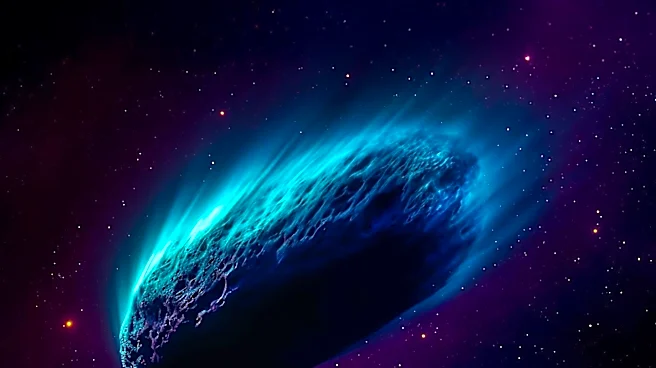
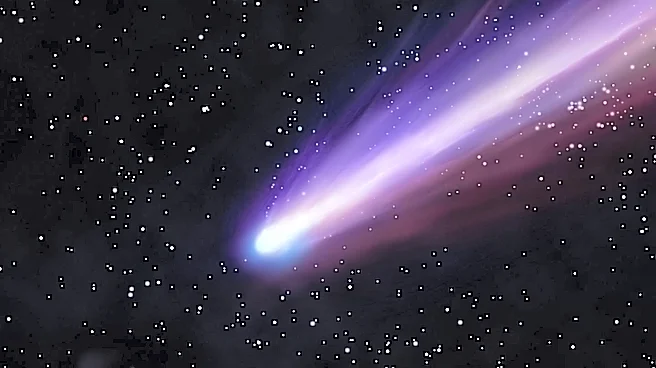
The Northern Hemisphere is set to experience a series of meteor showers, with the Perseid meteor shower being the most prominent. According to the American Meteor Society, the Perseids, originating from comet 109P/Swift-Tuttle, will be visible from July
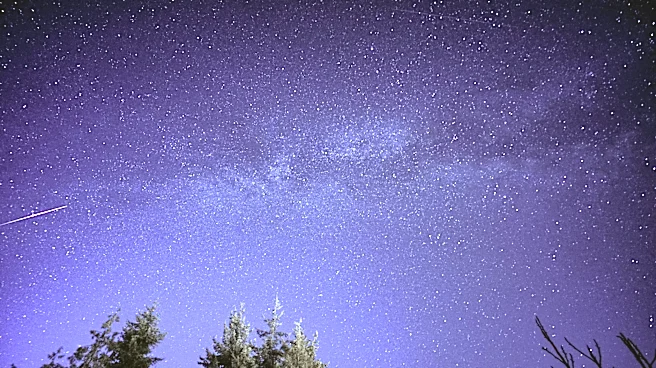
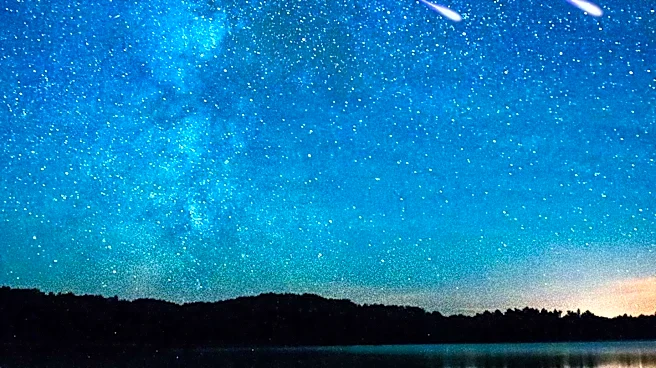
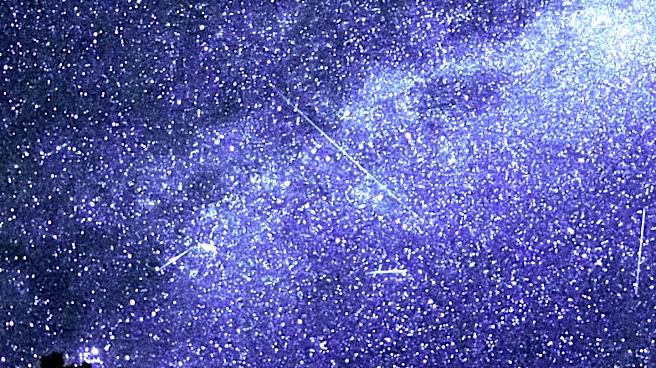
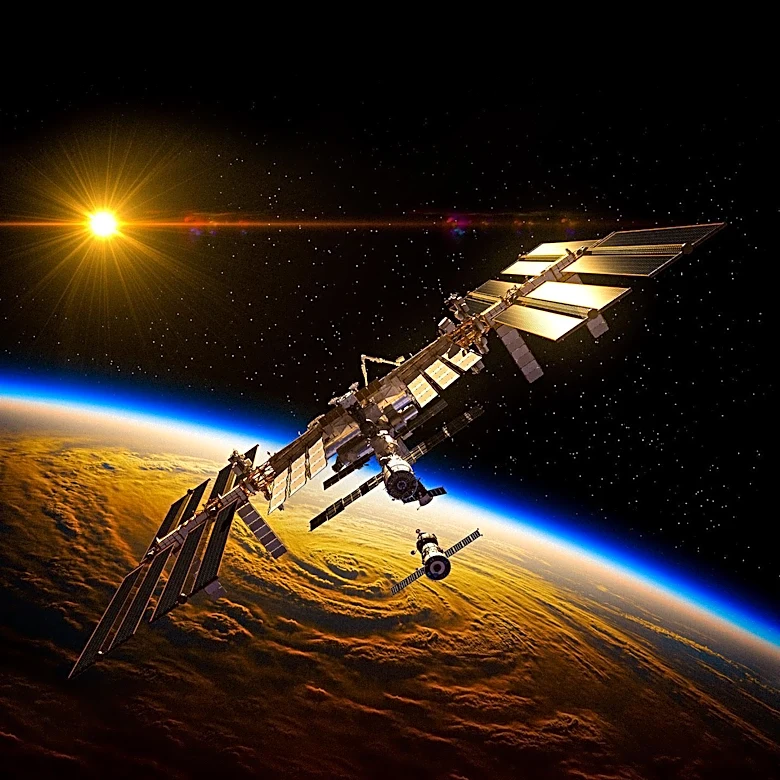
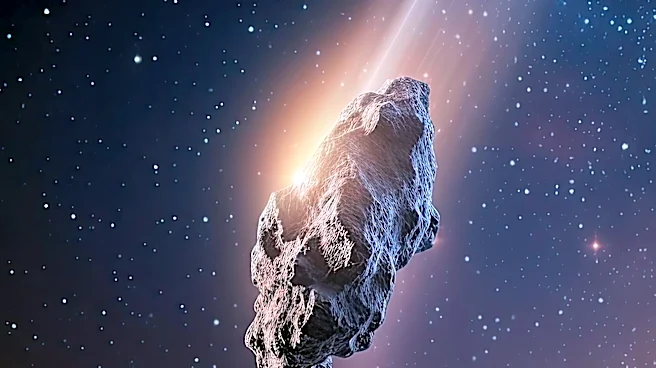
17 to August 24, peaking on the night of August 12-13. This year, the peak coincides with a new moon, providing ideal dark sky conditions for viewing. The Perseids are known for their bright meteors, which travel at speeds of 133,200 mph and often leave colorful trails. Other meteor showers, such as the Southern Delta Aquariids and Alpha Capricornids, are also active, though their visibility will be affected by moonlight. NASA highlights the potential hazards meteoroids pose to spacecraft, emphasizing the importance of monitoring these cosmic events.
Why It's Important?
Meteor showers like the Perseids offer a spectacular natural display, drawing interest from stargazers and astronomers alike. The alignment with a new moon this year enhances viewing conditions, making it a prime opportunity for observation. Beyond their aesthetic appeal, these events are significant for scientific research. NASA's focus on meteoroid impacts underscores the ongoing risks they pose to space missions, particularly as the agency plans future lunar and deep space explorations. Understanding meteoroid behavior is crucial for developing protective measures for spacecraft and ensuring astronaut safety. The showers also serve as a reminder of the dynamic nature of our solar system and the need for continued space observation and research.
What's Next?
As the Perseid meteor shower approaches its peak, enthusiasts are encouraged to find locations with minimal light pollution for optimal viewing. NASA and other space agencies will continue to monitor meteoroid activity, using data to refine models and improve safety protocols for future missions. The public's interest in such celestial events may also spur educational initiatives and community events focused on astronomy. Additionally, advancements in technology could enhance our ability to predict and study these phenomena, contributing to broader scientific knowledge and public engagement with space science.