




What's Happening?
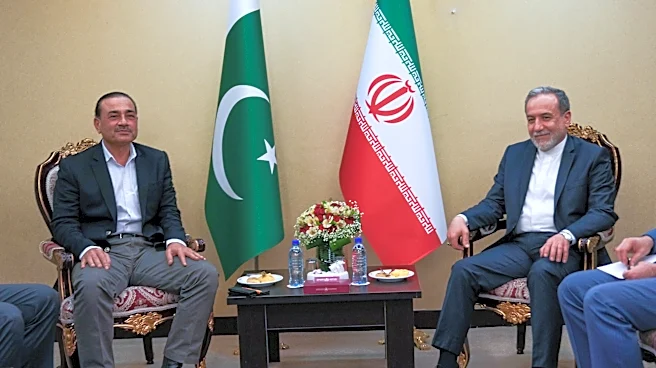
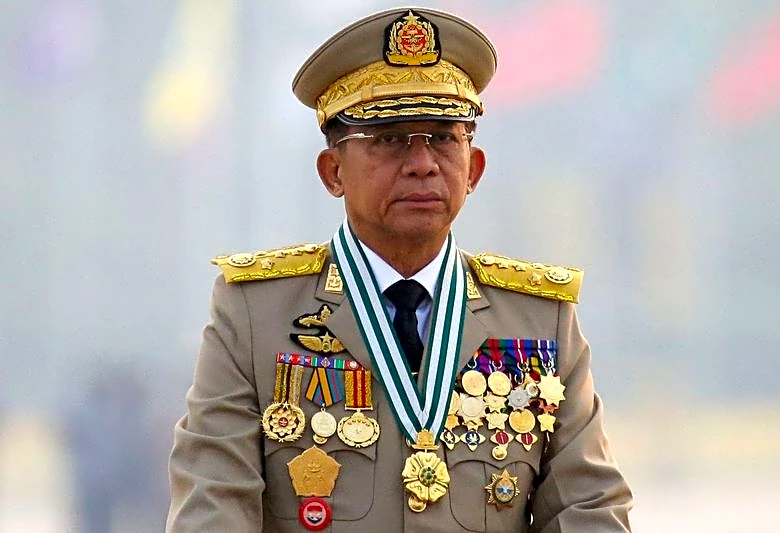
Pakistan's army chief is visiting Tehran to meet with Iranian officials in an effort to ease tensions in the Middle East and facilitate a second round of negotiations between the United States and Iran. This visit follows almost seven weeks of conflict
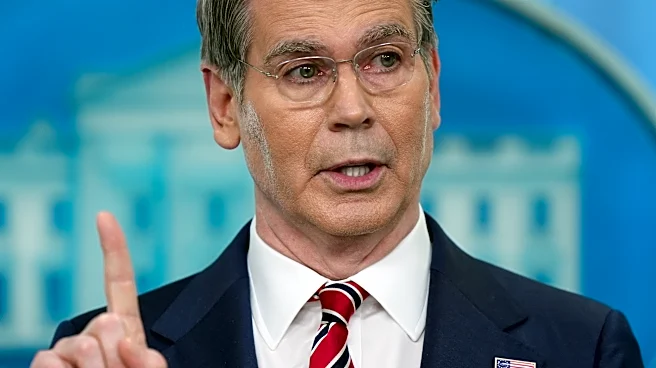
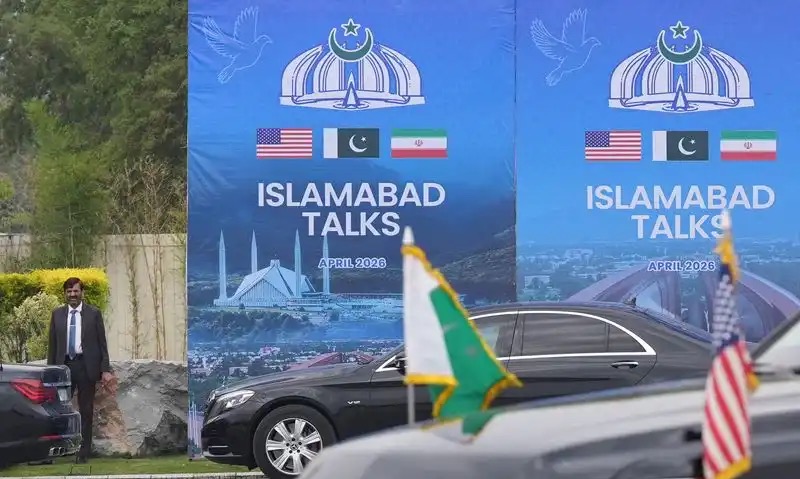
in the region. The White House has indicated that any further talks would likely occur in Islamabad, although no decision has been made yet. The US has maintained a naval blockade on Iranian ports, with US Treasury Secretary Scott Bessent announcing new economic sanctions on countries doing business with Iran. Pakistan has emerged as a key mediator, having hosted direct talks between the US and Iran in Islamabad, which reportedly helped narrow differences between the two sides. Mediators are working to arrange a new round of talks before the current ceasefire expires next week.
Why It's Important?
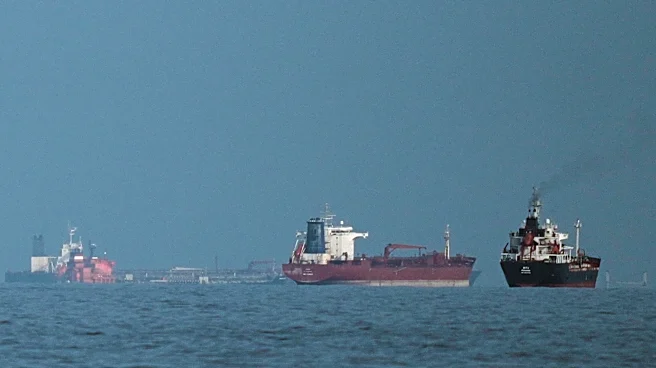
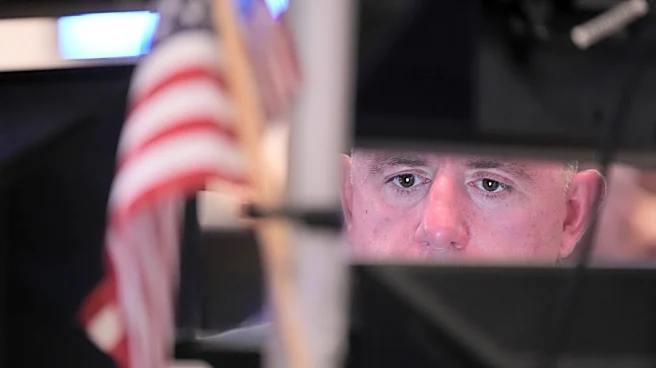
The involvement of Pakistan as a mediator in the US-Iran conflict highlights its strategic role in regional diplomacy. The ongoing tensions have significant implications for global economic stability, particularly in the energy sector, as the conflict has disrupted shipping routes and affected oil prices. The US's economic sanctions and naval blockade are part of a broader strategy to exert pressure on Iran, which could have far-reaching consequences for international trade and diplomatic relations. The potential for renewed negotiations offers a glimmer of hope for de-escalation, which could stabilize markets and reduce the risk of further military escalation in the region.
What's Next?
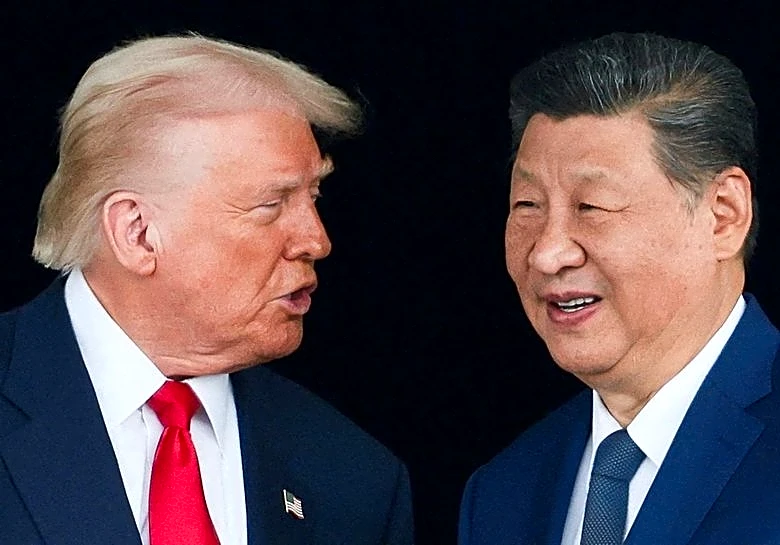
Mediators are pushing for a compromise on key issues, including Iran's nuclear program, the Strait of Hormuz, and compensation for wartime damages. The outcome of these negotiations could influence the future of US-Iran relations and the broader geopolitical landscape in the Middle East. The extension of the ceasefire and the success of diplomatic efforts will be crucial in determining the next steps. Additionally, the international community, including major powers like China, is closely monitoring the situation, with calls for the reopening of the Strait of Hormuz to ensure freedom of navigation and regional stability.