









What's Happening?
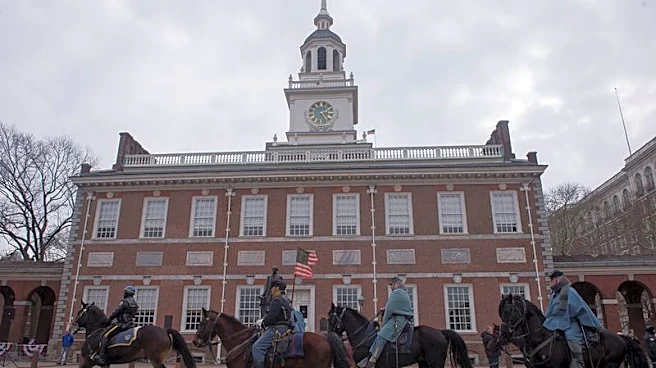
Boston, a city with a rich historical background, is home to a diverse group of philanthropists who are significantly impacting both local and global communities. The article highlights 11 major donors and donor couples who are actively involved in philanthropy.
These include Seth and Beth Klarman, who focus on medical research and Jewish causes through the Klarman Family Foundation, and Abigail Johnson, CEO of Fidelity Investments, who supports nature conservation and education through the Edward C. Johnson Fund and the Fidelity Foundation. Robert Kraft, owner of the New England Patriots, has contributed to public health and criminal justice reform, while Amos and Barbara Hostetter have prioritized arts, education, and climate through the Barr Foundation. Other notable philanthropists include Bill and Joyce Cummings, Phillip and Susan Ragon, and Robert Hale, each contributing to various causes such as health, education, and community services.
Why It's Important?
The philanthropic efforts of these Boston-based donors are crucial in addressing a wide range of societal issues. Their contributions support medical research, arts, education, and public health, which are vital for community development and well-being. By channeling their wealth into these areas, they not only enhance local infrastructure and services but also set a precedent for responsible wealth management. This trend of philanthropy among the wealthy can inspire others to contribute to societal betterment, potentially leading to significant advancements in various fields. Moreover, their focus on local causes ensures that the benefits of their donations are felt directly within their communities, fostering a sense of shared responsibility and community engagement.
What's Next?
As these philanthropists continue their efforts, the focus may shift towards more strategic and impactful giving. This could involve forming partnerships with other organizations to maximize the reach and effectiveness of their contributions. Additionally, as societal needs evolve, these donors might explore new areas of impact, such as technology and innovation, to address emerging challenges. The ongoing commitment of these philanthropists to their causes suggests a sustained effort to drive positive change, which could lead to long-term improvements in community health, education, and economic opportunities.
Beyond the Headlines
The philanthropic activities of these donors also highlight the ethical considerations of wealth distribution and the role of private wealth in public welfare. Their actions raise questions about the responsibilities of the wealthy in addressing societal issues and the potential for philanthropy to influence public policy. Furthermore, their focus on diverse causes reflects a broader understanding of the interconnectedness of societal challenges, emphasizing the need for holistic approaches to problem-solving. This trend could lead to a cultural shift in how wealth is perceived and utilized, promoting a more equitable and sustainable future.