









What's Happening?
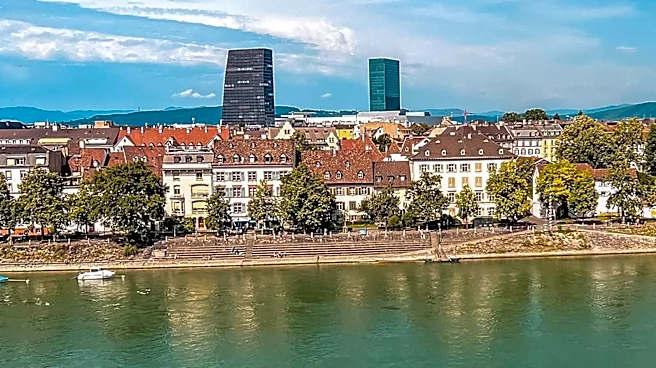
The Rhine River in Germany is experiencing low water levels due to a current heatwave, which is significantly impacting cargo shipping. As a result, vessels are unable to sail fully loaded, leading to increased transport costs. Cargo owners are facing
surcharges on freight rates as vessel operators attempt to compensate for the reduced capacity. The low water levels are affecting the river south of Duisburg and Cologne, including the critical chokepoint of Kaub. Currently, tanker barges can only carry about 1,200 metric tons through Duisburg and a mere 460 tons at Kaub. This situation has caused the cost of transporting goods from Rotterdam to Karlsruhe to rise from approximately €45 to between €60 and €70 per ton. The Rhine is a crucial route for transporting commodities such as grains, minerals, ores, coal, and oil products, including heating oil. The ongoing dry weather and heatwave in the river's catchment areas suggest that conditions may not improve soon, although rain is forecasted for later in the week.
Why It's Important?
The low water levels on the Rhine River have significant implications for the German economy and the broader European supply chain. The Rhine is a vital artery for transporting essential commodities, and disruptions can lead to supply bottlenecks and production challenges. The increased transport costs could be passed on to consumers, potentially leading to higher prices for goods. Additionally, industries reliant on these commodities, such as energy and manufacturing, may face operational difficulties. The situation highlights the vulnerability of critical infrastructure to climate-related events, emphasizing the need for adaptive strategies to mitigate such impacts. The current scenario mirrors challenges faced in the summer of 2022, when similar conditions led to economic disruptions.
What's Next?
If the low water levels persist, German companies may need to explore alternative transport routes or methods to mitigate the impact on their supply chains. The forecasted rain later in the week could provide some relief, but it remains uncertain whether it will be sufficient to significantly raise water levels. Stakeholders, including government agencies and industry leaders, may need to consider long-term strategies to address the recurring issue of low water levels on the Rhine. This could involve investments in infrastructure improvements or the development of contingency plans to ensure the resilience of the supply chain against future climate-related disruptions.