








What's Happening?
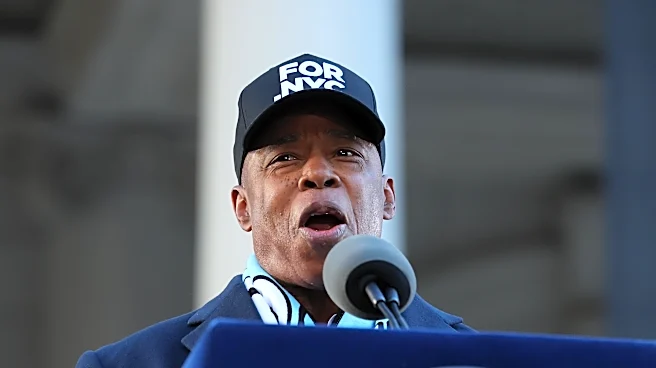
New York City is set to implement a new pied-à-terre tax aimed at owners of luxury second homes that are not primary residences. The tax, part of Mayor Zohran Mamdani's initiative supported by the Democratic Socialists of America, targets wealthy individuals
who own unoccupied residential properties in the city. The city estimates that the tax will generate between $340 million and $500 million annually from approximately 10,000 luxury second homes. The tax rates vary, with one-to-three family homes taxed between 0.8% to 1.3% based on their value, while co-ops and condos are taxed at rates starting from 4% and going up to 6.5% for properties valued over $5 million. The Department of Finance (DOF) will notify owners by August 30, and they will have 30 days to appeal. The DOF has the authority to conduct audits and impose fines for false information to ensure compliance.
Why It's Important?
The introduction of the pied-à-terre tax is significant as it represents a strategic move by New York City to increase revenue by targeting wealthy property owners who do not reside in the city. This tax is part of a broader 'tax the rich' initiative aimed at addressing economic disparities and funding city services. The potential revenue from this tax could significantly contribute to the city's budget, especially in the wake of financial challenges. However, the tax has sparked debate, with some arguing it could drive wealthy individuals away, potentially impacting the real estate market. Conversely, supporters believe it will not deter multimillionaires and will provide much-needed funds for the city.
What's Next?
The implementation of the pied-à-terre tax is expected to face challenges, including potential lawsuits from the real estate industry, which has expressed concerns about the complexity of determining tax eligibility and collection. The DOF's ability to audit and impose fines is likely to be a point of contention. Additionally, the tax's impact on the real estate market and its effectiveness in generating the projected revenue will be closely monitored. The rules will take effect after the public comment period ends on July 9, and the city will need to address any legal and logistical issues that arise during the rollout.