





What's Happening?
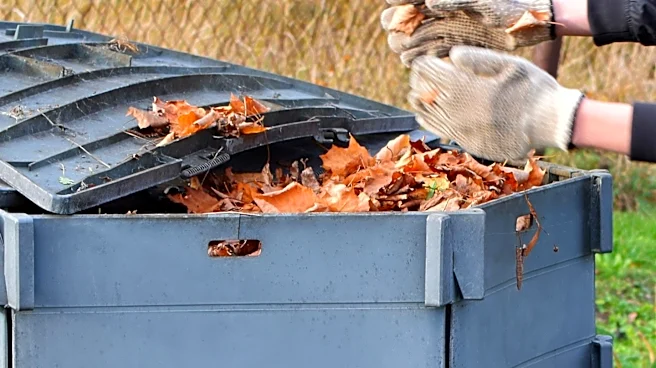
The Massachusetts Department of Environmental Protection (MADEP) is actively encouraging residents to engage in home composting, highlighting its environmental and financial benefits. Food waste constitutes nearly 25% of Massachusetts' trash, with significant
amounts also contaminating recycling bins, particularly in areas like Pembroke. Composting offers a sustainable alternative, transforming organic material into nutrient-rich soil rather than contributing to landfill waste. This practice can lead to financial savings for households by reducing municipal waste bills, decreasing the need for purchased soil and fertilizers, and mitigating the approximately $2000 per year that the average household wastes on discarded food, according to the South Shore Recycling Cooperative (SSRC). Residents can start composting with low-cost methods, such as setting up a system in a well-drained, shady yard area, or by investing in kitchen composters for limited spaces. Effective composting requires a mix of 'brown' carbon-rich materials (leaves, twigs) and 'green' nitrogen-rich materials (food scraps, grass clippings), ideally in a 3:1 ratio.
Why It's Important?
The push for home composting in Massachusetts is significant for several reasons. Environmentally, it directly addresses the substantial volume of food waste in landfills, which contributes to greenhouse gas emissions. By diverting organic waste, the state can improve its waste management efficiency and reduce its carbon footprint. Economically, widespread adoption of composting could lead to lower municipal waste disposal costs for communities and direct savings for individual households on waste bills and gardening supplies. Furthermore, the creation of nutrient-rich compost enhances soil health, reducing reliance on chemical fertilizers and promoting more sustainable gardening practices. This initiative also aims to reduce contamination in recycling streams, making recycling efforts more effective and less costly. The educational aspect, encouraging residents to understand and implement composting, fosters a greater sense of environmental responsibility and sustainable living within communities.
What's Next?
As the Massachusetts Department of Environmental Protection continues to promote home composting, future efforts may include more educational workshops, distribution of composting guides, and potentially incentives for residents to adopt the practice. Local initiatives, such as those by the SSRC offering rodent-resistant bins at reasonable costs, are likely to expand, making composting more accessible. Communities might also explore broader organic waste collection programs to complement individual home composting efforts. Continued public awareness campaigns will be crucial to inform residents about the benefits and practicalities of composting, aiming to increase participation rates. The long-term goal is to significantly reduce the amount of organic waste sent to landfills, thereby achieving environmental benefits and cost savings across the state.
Beyond the Headlines
Beyond the immediate benefits of waste reduction and cost savings, the emphasis on home composting in Massachusetts reflects a broader societal shift towards circular economy principles and increased environmental consciousness. This movement encourages individuals to take a more active role in managing their waste and understanding its lifecycle. It also highlights the interconnectedness of household habits with larger environmental issues like climate change and resource depletion. The practice of composting can foster a deeper connection to nature and food systems, as individuals observe the transformation of waste into a valuable resource. Ethically, it aligns with principles of stewardship and sustainability, promoting a more responsible relationship with the environment. This initiative could also spur innovation in composting technologies and services, creating new local green jobs and businesses.