


What's Happening?
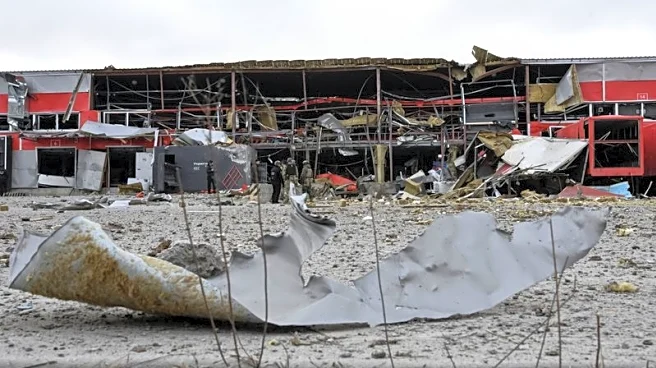
Russian forces have launched a significant offensive in eastern Ukraine, focusing on the town of Lyman in Donetsk. This move is part of a broader strategy to capture key areas in the region. The offensive involves the use of armored vehicles, infantry,
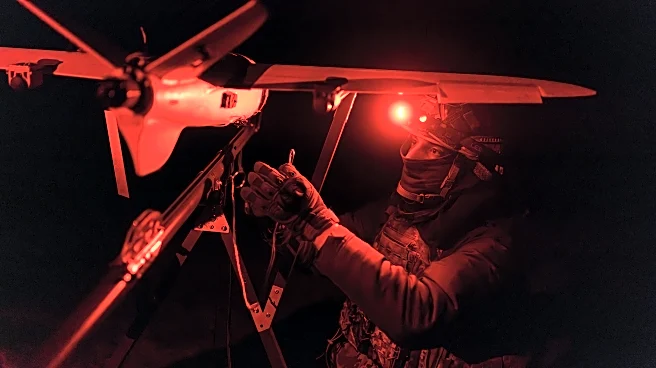
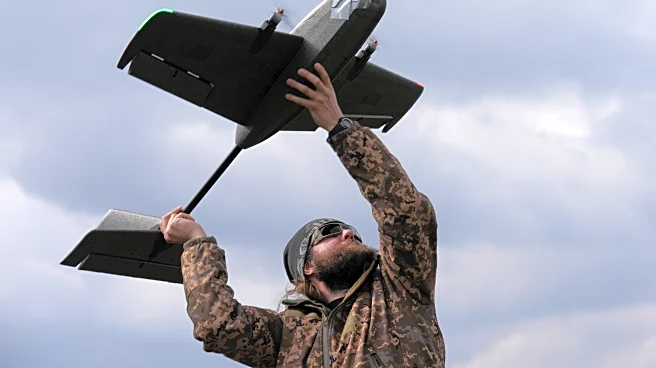
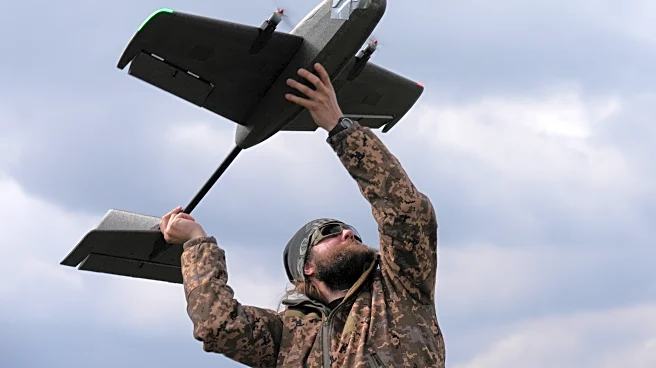
artillery, and drones. Despite being heavily outnumbered, Ukrainian forces have managed to repel these attacks, utilizing drones effectively to counter Russian advances. The conflict has resulted in a growing grey zone where neither side fully controls the area. The Kremlin continues to aim for the capture of the remaining parts of four eastern regions of Ukraine, despite facing challenges such as exhausted and poorly trained units.
Why It's Important?
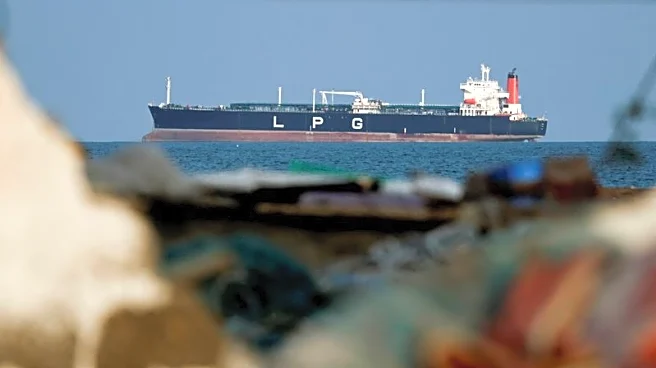
The intensification of the conflict in eastern Ukraine has significant implications for regional stability and international relations. The ongoing struggle for control in the Donbas region highlights the persistent tensions between Russia and Ukraine. The use of advanced military tactics and technology, such as drones, underscores the evolving nature of modern warfare. The conflict also affects global energy markets, as rising oil prices and geopolitical tensions influence economic conditions. The situation remains a focal point for international diplomatic efforts, with potential impacts on global security and economic stability.
What's Next?
The conflict is expected to continue, with both sides likely to adjust their strategies in response to the evolving situation. Ukrainian forces may seek to strengthen their defensive positions and leverage international support to counter Russian advances. The international community, including the United States and European allies, may increase diplomatic and economic pressure on Russia to de-escalate the conflict. The outcome of this offensive could influence future negotiations and the broader geopolitical landscape in Eastern Europe.