









What's Happening?
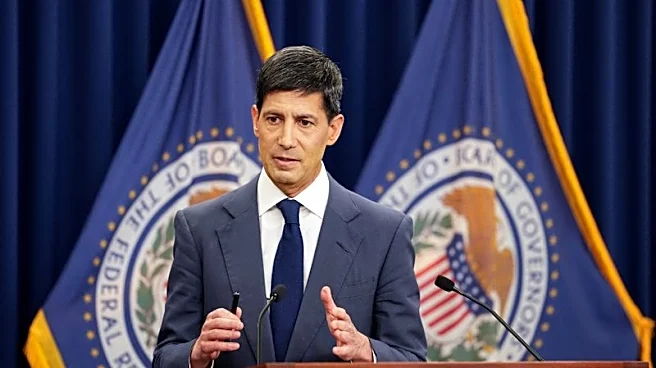
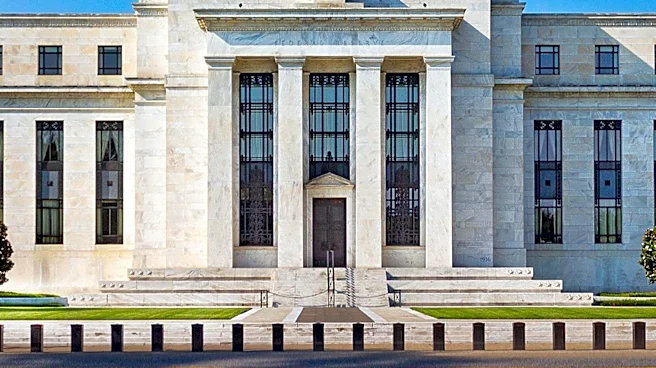
Alan Greenspan, the former Chair of the Federal Reserve, passed away on June 22, 2026, at the age of 100. Greenspan was a significant figure in U.S. economic policy, having served as the Federal Reserve Chair from 1987 to 2006. His tenure was marked by
major economic events, including the 1987 stock market crash and the dot-com bubble. Greenspan was known for his influential role in shaping monetary policy and his cautious approach to economic regulation. In 2007, he appeared on 'Meet the Press' alongside his wife, Andrea Mitchell, a chief foreign affairs correspondent for NBC News. This interview highlighted his perspectives on economic issues and his legacy in the financial world.
Why It's Important?
Alan Greenspan's leadership at the Federal Reserve had a profound impact on the U.S. economy. His policies and decisions during his tenure influenced economic growth, inflation rates, and employment levels. Greenspan's approach to monetary policy, often characterized by a focus on controlling inflation, set a precedent for future Federal Reserve chairs. His passing marks the end of an era for those who studied and critiqued his economic strategies. Greenspan's legacy continues to be a point of reference for economists and policymakers, as his tenure included both praised and criticized decisions that shaped the modern economic landscape.
What's Next?
With Greenspan's passing, there may be renewed discussions and analyses of his economic policies and their long-term effects on the U.S. economy. Economists and historians are likely to revisit his tenure to assess the successes and challenges of his strategies. Additionally, his influence on current and future Federal Reserve policies may be examined, particularly in the context of ongoing economic challenges such as inflation and market stability. The financial community may also reflect on how his leadership style and decisions compare to those of his successors.
Beyond the Headlines
Greenspan's tenure at the Federal Reserve was not without controversy. His policies, particularly those related to deregulation, have been scrutinized for their role in the financial crisis of 2008. Critics argue that his emphasis on market self-regulation contributed to the conditions that led to the crisis. However, supporters highlight his ability to navigate complex economic challenges and maintain stability during turbulent times. Greenspan's legacy is a complex one, reflecting both the successes and limitations of his economic philosophy.