




What's Happening?
As tax season progresses, many Americans are expressing frustration with the perceived inequities in the tax system. Despite the complexity of tax filings, most individuals comply due to the fear of audits and the necessity of funding government services.
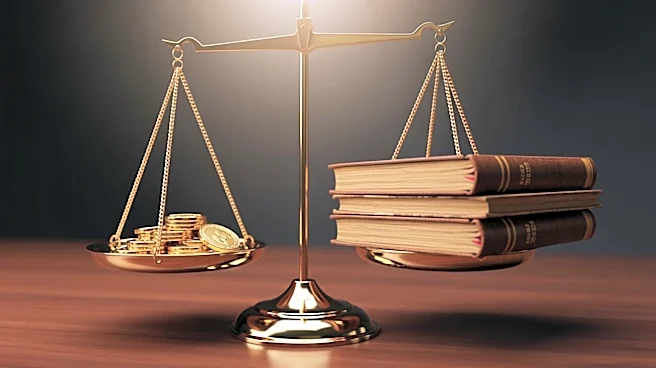
However, the disparity in tax burdens between average citizens and the wealthy, who often utilize legal tax avoidance strategies, has led to growing discontent. High-profile cases, such as President Trump's minimal tax payments in certain years, have exacerbated these concerns, highlighting the gap between legal obligations and perceived fairness. The IRS remains focused on compliance, but public trust in the system's equity is waning.
Why It's Important?
The perception of an unfair tax system can undermine public trust and compliance, which are crucial for the effective functioning of government services. As more individuals question the equity of tax enforcement, there is a risk of increased tax avoidance and evasion, potentially reducing government revenue. This issue also highlights broader societal concerns about income inequality and the influence of wealth on policy-making. The ongoing debate over tax fairness could lead to calls for reform, aiming to create a more equitable system that ensures all taxpayers contribute their fair share.
Beyond the Headlines
The discussion around tax fairness touches on deeper issues of social justice and economic policy. The current tax code, with its complex rules and loopholes, reflects historical policy decisions that favor certain types of income and wealth accumulation. Addressing these systemic issues may require comprehensive tax reform, balancing the need for revenue with the principles of equity and fairness. As public awareness grows, there may be increased pressure on lawmakers to address these disparities and restore confidence in the tax system.