
What's Happening?
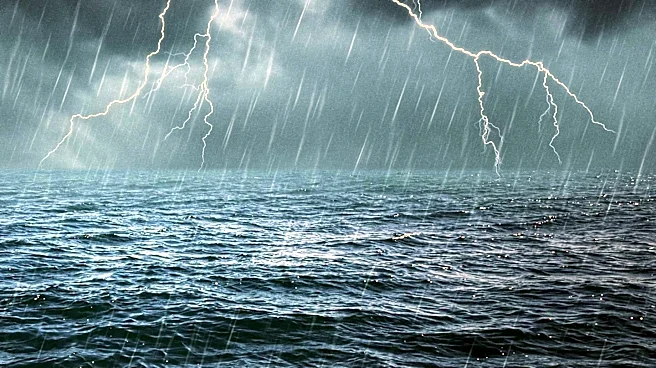
The Pakistan Meteorological Department (PMD) has issued a flood alert for Leh Nullah as heavy rainfall continues to impact Islamabad and Rawalpindi for the third consecutive day. The PMD anticipates that
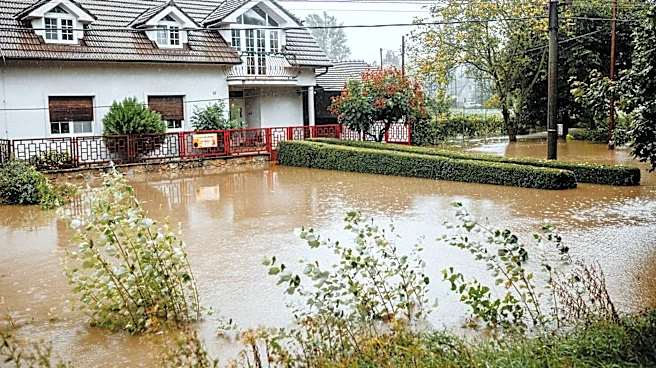
ongoing heavy rains could lead to urban flooding in low-lying areas and a rise in water levels in local drains, specifically Leh Nullah. Water levels in Leh Nullah at Kattarian and Gawalmandi have already surpassed designated thresholds, reaching 21 feet and 16 feet respectively, before fluctuating. Authorities have been advised to prepare for potential evacuations from vulnerable areas. In a separate incident, Rescue 1122 safely evacuated 150 children from a flooded madrassah in the Saddar area, reporting no casualties. However, a house collapse in Madina Town, caused by the heavy rainfall, resulted in the deaths of a couple and injuries to their daughters. The Met Office had previously warned of urban flooding risks in several cities, including Islamabad, Rawalpindi, Mardan, Swabi, Peshawar, Nowshera, Gujranwala, Gujrat, Sialkot, and Lahore.
Why It's Important?
The persistent heavy rainfall and subsequent flood alerts highlight significant infrastructure and public safety challenges in Pakistan's urban centers. The potential for widespread urban flooding can disrupt daily life, damage property, and pose serious risks to human lives, as evidenced by the tragic house collapse in Madina Town. The need for evacuations and the safe rescue of individuals, such as the 150 children from the madrassah, underscore the immediate and critical impact on communities. Economically, urban flooding can lead to substantial losses through property damage, business interruptions, and increased costs for emergency services and recovery efforts. The situation also strains public resources, requiring coordinated responses from meteorological departments, rescue services, and local authorities. The recurring nature of such events in the region suggests a broader challenge in climate resilience and urban planning, necessitating long-term strategies to mitigate flood risks and protect vulnerable populations.
What's Next?
Authorities are expected to remain highly vigilant, continuously monitoring water levels and weather patterns to assess the evolving flood situation. The Pakistan Meteorological Department has urged all stakeholders to be prepared for necessary precautionary measures, including further evacuations if water levels continue to rise. Traffic police in both Islamabad and Rawalpindi have issued advisories, urging motorists to reduce speed, maintain safe distances, and exercise extreme caution on wet roads, particularly when visibility is reduced. They have also advised motorcyclists to stay in the extreme left lane and avoid risky maneuvers. The focus will be on providing relief and assistance to affected individuals, managing emergency responses, and potentially implementing more robust flood mitigation strategies in the long term. The ongoing rainfall predictions suggest that the immediate threat of urban flooding will persist, requiring sustained efforts from emergency services and public cooperation.
Beyond the Headlines
Beyond the immediate crisis, the repeated incidence of urban flooding in Pakistan points to deeper issues related to climate change and urban development. The increasing frequency and intensity of heavy rainfall events are consistent with global climate patterns, suggesting that such flood alerts may become more common. This necessitates a re-evaluation of urban infrastructure, drainage systems, and early warning mechanisms. The tragic loss of life in Madina Town underscores the vulnerability of informal settlements and older structures to extreme weather. There is a critical need for investment in resilient infrastructure, improved urban planning that accounts for climate risks, and enhanced public awareness campaigns on flood preparedness. Furthermore, the reliance on emergency evacuations highlights the importance of community-level disaster preparedness and the role of local rescue services in saving lives. Addressing these underlying factors will be crucial for building long-term resilience against future climate-related disasters.