








What's Happening?
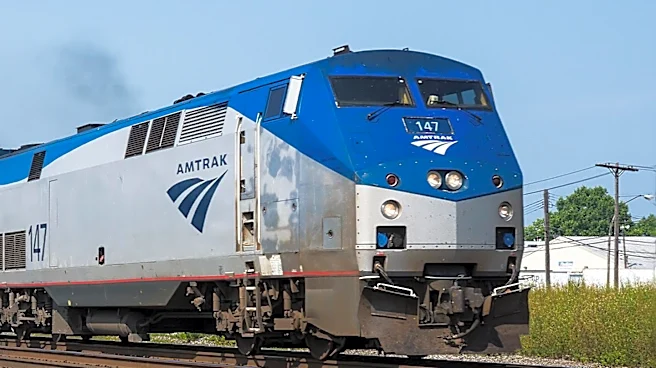
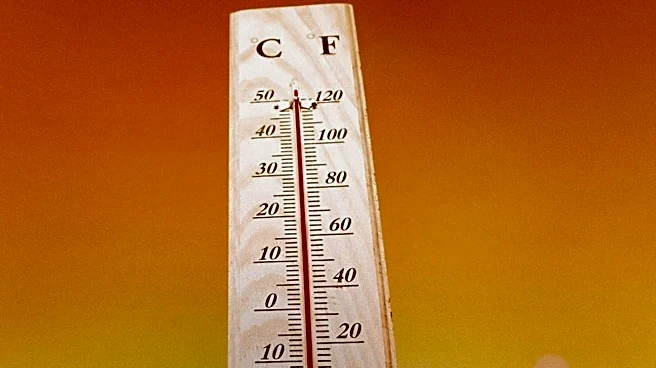
Amtrak's Northeast Region has announced the cancellation of at least 18 trains in Baltimore on Thursday due to extreme temperature conditions. The soaring temperatures have affected the rail infrastructure, leading to significant delays and disruptions
for passengers. This development comes as the region experiences a heatwave, which has put additional stress on transportation systems. The cancellations have primarily impacted the Northeast Corridor, a critical route for commuters and travelers between major cities. Amtrak has been working to address the issues caused by the heat, but the situation remains challenging as temperatures continue to rise.
Why It's Important?
The cancellation of multiple Amtrak trains highlights the vulnerability of transportation infrastructure to extreme weather conditions, particularly heatwaves. This incident underscores the need for robust systems capable of withstanding temperature fluctuations, which are becoming more frequent due to climate change. The disruptions affect not only daily commuters but also the broader economy, as delays can lead to lost productivity and increased costs for businesses relying on timely transportation. Additionally, the situation raises concerns about the preparedness of public transportation systems to handle future climate-related challenges.
What's Next?
Amtrak is likely to continue monitoring the situation closely and may implement additional measures to mitigate the impact of high temperatures on its operations. This could include infrastructure upgrades or operational changes to enhance resilience against extreme weather. Passengers are advised to stay informed about potential delays and cancellations and to plan their travel accordingly. In the long term, transportation authorities may need to invest in more heat-resistant materials and technologies to ensure the reliability of rail services amid changing climate conditions.