



What's Happening?
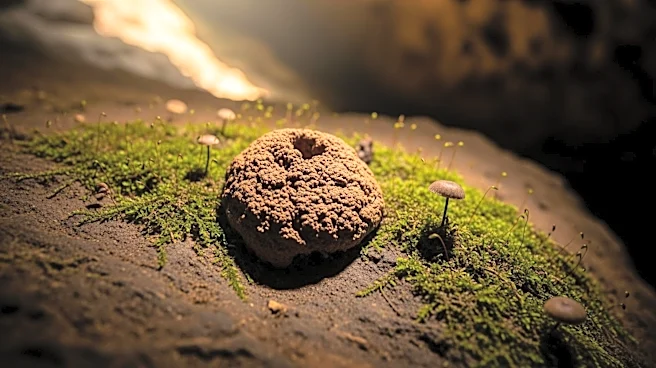
In Gorongosa National Park, Mozambique, molecular biologist Raúl da Silva Armando Chomela is studying the ecological significance of bat guano. The park, home to over 100 bat species, features a network of caves where guano serves as a rich organic material
supporting diverse life forms. Chomela's research focuses on understanding the role of bats in pest control and their contribution to the ecosystem. The study aims to promote sustainable guano harvesting practices among local communities, who rely on it as a fertilizer and income source.
Why It's Important?
The research highlights the ecological and economic importance of bats and their guano. Bats play a crucial role in controlling insect populations, including pests that affect agriculture. Sustainable guano harvesting can provide a reliable income for impoverished communities while preserving the delicate cave ecosystems. This study underscores the need for scientific understanding to inform conservation efforts and promote coexistence between humans and wildlife. By demonstrating the benefits of bats, the research aims to shift local perceptions and encourage protective measures.
What's Next?
Chomela plans to use DNA analysis of bat guano to provide insights into bat diets and their ecological roles. The findings could help develop guidelines for sustainable guano harvesting, ensuring the preservation of cave ecosystems. Engaging local communities in conservation efforts is crucial, as their cooperation is essential for protecting bat populations. The research may also influence broader conservation policies and practices in Mozambique, contributing to the country's biodiversity and economic stability.