




What's Happening?
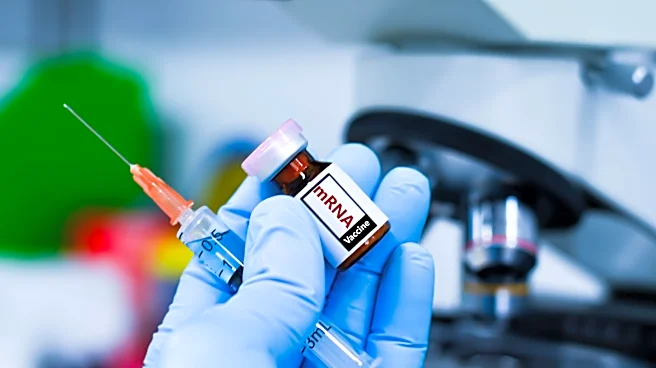
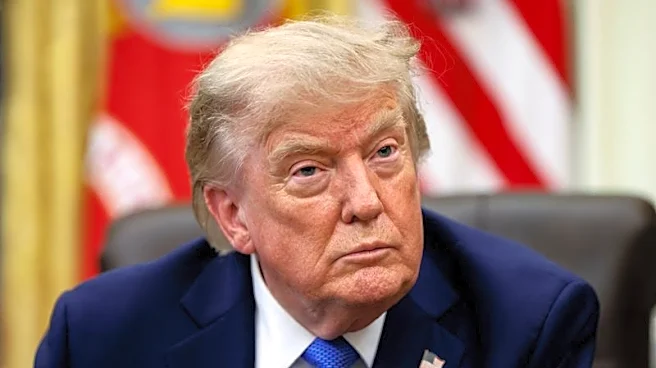
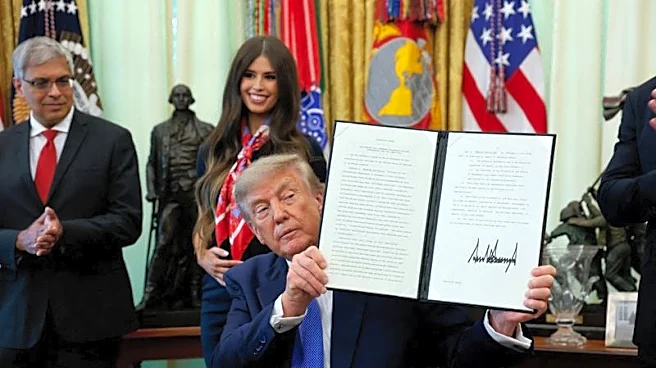
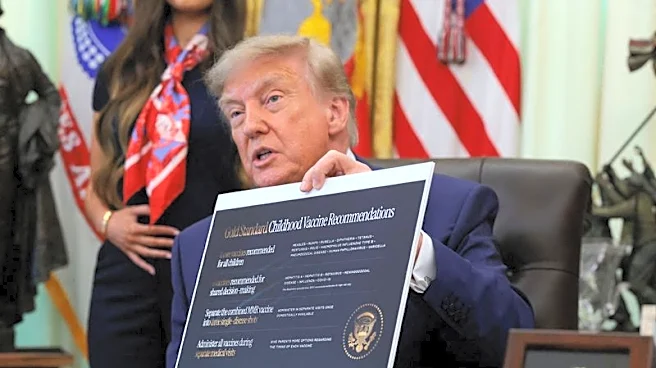
President Trump has issued an executive order aimed at reducing the number of vaccines administered to American children. This move is expected to decrease vaccination rates, potentially leading to a resurgence of infectious diseases such as measles,
which had been nearly eradicated. The order is part of a broader trend within the Republican Party, which has seen a decline in support for childhood vaccinations over the past decade. Trump has justified the order by citing a debunked link between vaccines and autism, despite scientific evidence showing no such connection. The executive order aligns with a growing anti-vaccine sentiment, which has been exacerbated by the COVID-19 pandemic and conspiracy theories within the party.
Why It's Important?
The executive order could have significant implications for public health in the United States. Reduced vaccination rates may lead to increased outbreaks of preventable diseases, posing a threat to children and communities. The order reflects a broader anti-science stance within the Republican Party, which could undermine efforts to promote public health and safety. The resurgence of diseases like measles could strain healthcare systems and lead to preventable illnesses and deaths. Additionally, the order may embolden anti-vaccine groups and further polarize public opinion on vaccination, complicating efforts to achieve herd immunity and protect vulnerable populations.
What's Next?
The executive order's legal force remains uncertain, and its implementation may face challenges. Public health officials and advocates are likely to oppose the order, emphasizing the importance of vaccinations in preventing disease outbreaks. The political landscape may shift depending on the response from other political leaders and the public. If the order is implemented, healthcare providers may need to address increased vaccine hesitancy and misinformation. The long-term impact on vaccination rates and public health will depend on the actions of future administrations and the effectiveness of public health campaigns.
Beyond the Headlines
The executive order highlights the intersection of politics and public health, raising ethical concerns about the role of misinformation in shaping policy. The decision may reflect broader cultural and ideological divides, with implications for trust in scientific expertise and institutions. The rise of anti-vaccine sentiment parallels other forms of science denial, such as climate change skepticism, and underscores the need for effective communication and education strategies to counter misinformation. The order may also influence global perceptions of U.S. public health policy and its commitment to scientific evidence.