
What's Happening?
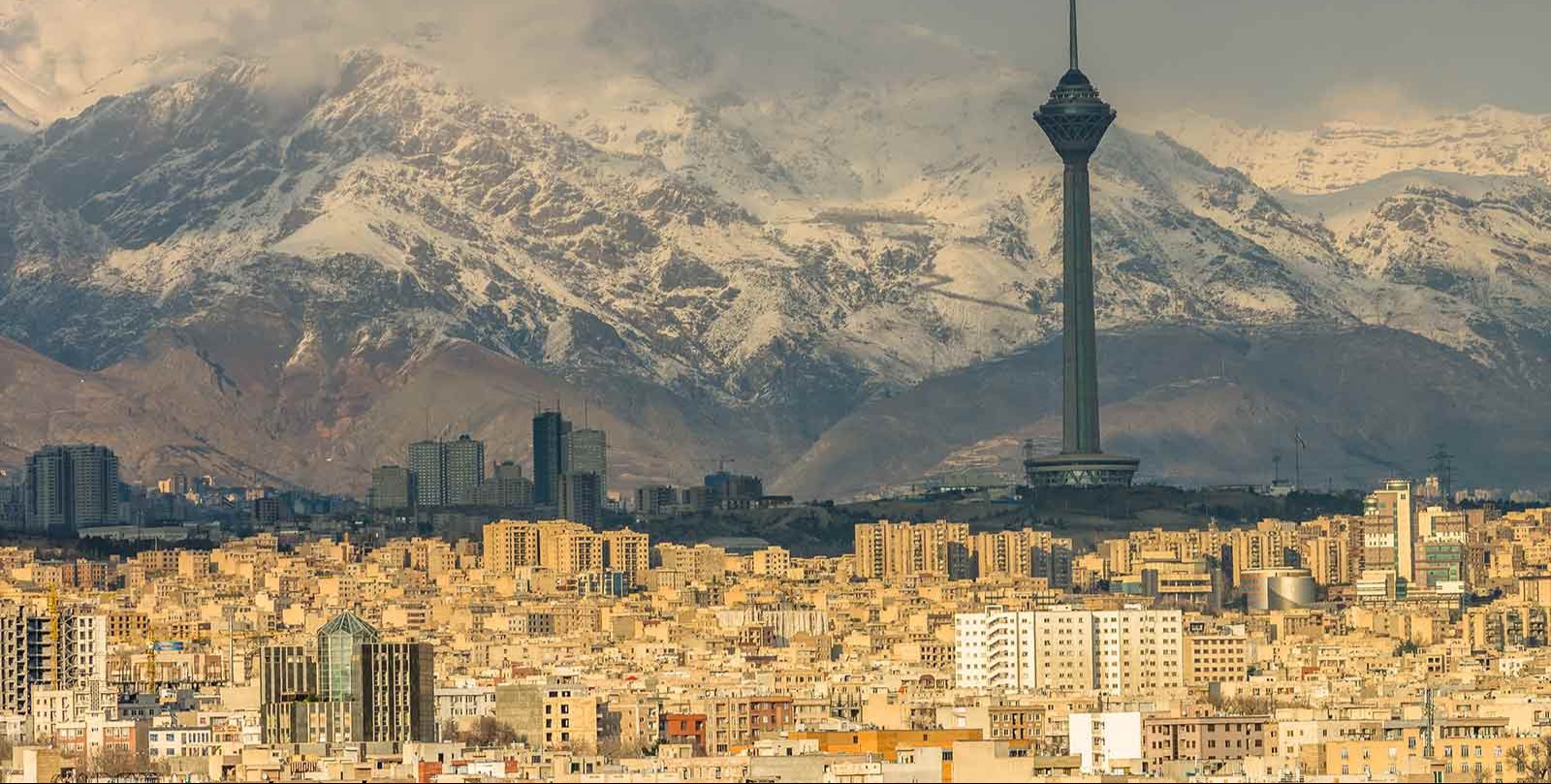
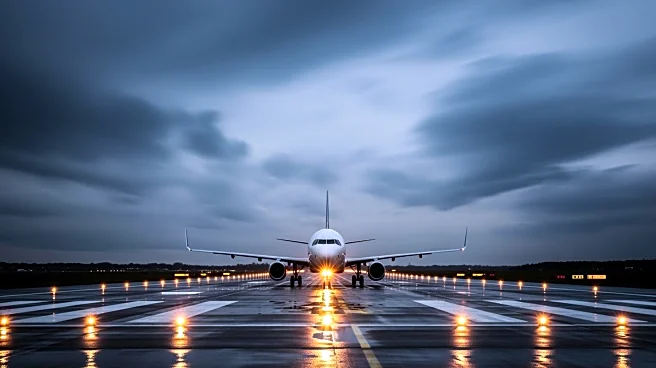
International airlines are suspending flights to Iran due to escalating tensions and fears of a potential US military strike. Turkish Airlines, Qatar Airways, and Emirates have canceled flights to Tehran and other Iranian cities. Despite these suspensions,
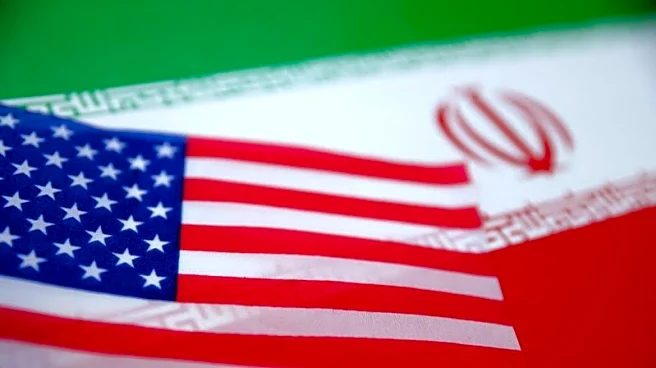
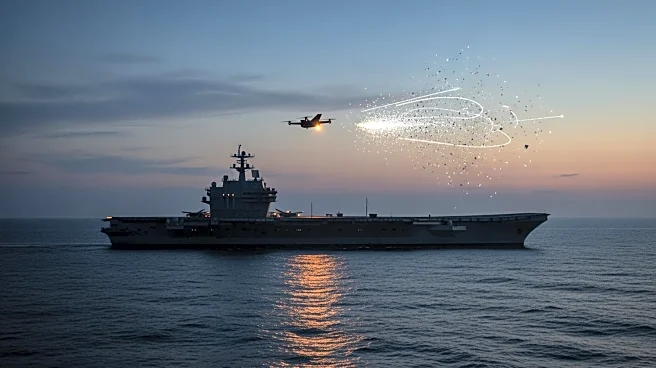
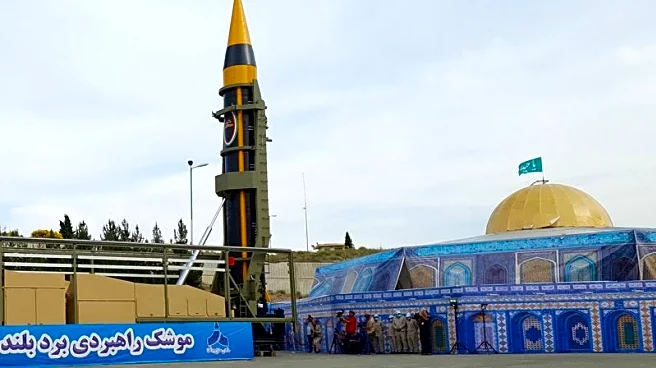
air traffic over Iran remains largely unchanged, with domestic and foreign flights continuing as usual. The US virtual embassy in Iran has advised American nationals to leave the country via land routes to neighboring Turkey or Armenia. This advisory follows President Trump's hints at possible US intervention in support of economic protests in Iran, which have resulted in significant casualties. The situation has also led to precautionary measures at US military bases in the region, including Qatar's Al Udeid Air Base.
Why It's Important?
The suspension of flights to Iran highlights the severe impact of geopolitical tensions on international travel and regional stability. Airlines are prioritizing passenger safety amid fears of misidentification by Iranian air defenses, which are on high alert. The potential for US military action could further destabilize the Middle East, affecting global oil markets and international relations. The situation underscores the vulnerability of civil aviation in conflict zones and the broader implications for global security and economic stability. Stakeholders, including airlines, governments, and international organizations, must navigate these challenges to ensure safety and mitigate economic disruptions.
What's Next?
Airlines and governments will continue to monitor the situation closely, with potential adjustments to flight operations based on developments. The US and Iran may engage in diplomatic efforts to de-escalate tensions, though the possibility of military action remains. Regional countries hosting US forces could face increased security risks, prompting further precautionary measures. The international community may call for restraint and dialogue to prevent further escalation. Airlines will assess the risk of overflying Iranian airspace, with potential changes to routes and schedules depending on the security situation.