






What's Happening?
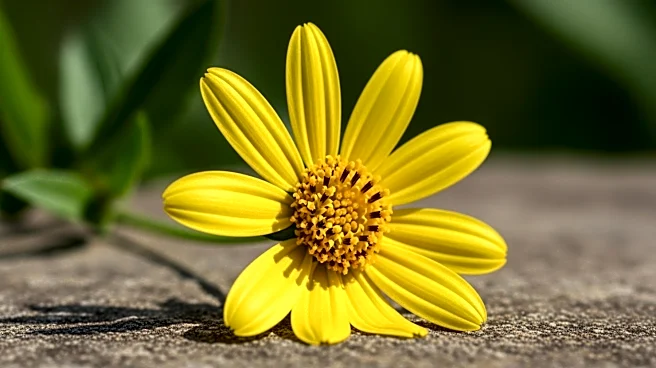
Researchers have discovered that the root of tormentil, a small yellow wildflower native to Ireland, the UK, and Europe, possesses significant antimicrobial properties. Historically used in traditional medicine to treat various infections, tormentil has
now been shown to combat bacteria resistant to modern antibiotics. The study involved testing extracts from over 70 plant species from Irish bogs against clinically relevant bacterial pathogens. The results indicated that tormentil extracts not only inhibited bacterial growth but also prevented the formation of biofilms, which are protective bacterial communities. The research further revealed that compounds in tormentil, such as ellagic acid and agrimoniin, could enhance the efficacy of existing antibiotics like colistin, a last-resort treatment for severe infections.
Why It's Important?
The findings are significant in the context of rising antimicrobial resistance, a global health threat that makes some infections difficult or impossible to treat. The discovery of tormentil's properties offers a potential new avenue for developing treatments against multi-drug resistant bacteria. This could be crucial in preventing a regression to a time when common infections were often deadly. The study underscores the potential of natural sources, particularly plants, in providing new antimicrobial compounds or enhancing the effectiveness of existing drugs. This approach could lead to innovative treatments that address the growing challenge of antibiotic resistance.
What's Next?
The research team is now focused on optimizing the antimicrobial activity of tormentil extracts and developing formulations for experimental models. This involves further analysis to identify and isolate the active compounds responsible for the antimicrobial effects. If successful, these formulations could lead to new treatments for infections that are currently difficult to manage due to antibiotic resistance. The study also opens the door for further exploration of other plant species as potential sources of antimicrobial agents, which could significantly impact the future of infectious disease treatment.
Beyond the Headlines
The study highlights the importance of integrating traditional medicine with modern scientific research. It demonstrates how ancient remedies can provide valuable insights and solutions to contemporary health challenges. The use of natural compounds in enhancing antibiotic efficacy also raises ethical and environmental considerations, as it encourages the sustainable use of natural resources. Additionally, this research could inspire a broader acceptance and exploration of traditional medicine practices in scientific communities, potentially leading to more holistic approaches in healthcare.