
What's Happening?
Former Venezuelan President Nicolás Maduro appeared in a New York courtroom following his capture in a U.S. military operation. The operation involved over 150 aircraft, including stealth drones and fighter
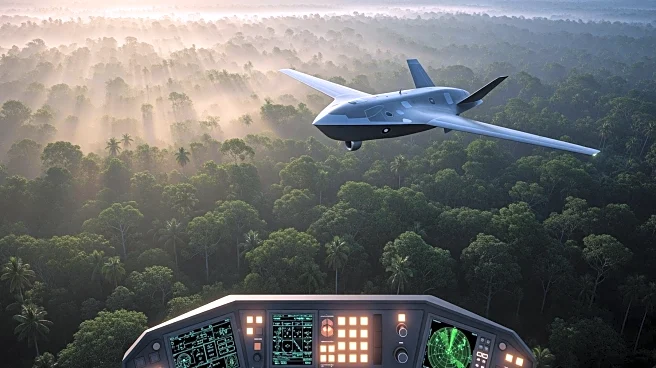
jets, to disable Venezuela's air defenses and secure an air corridor for the capture. The RQ-170 Sentinel drones played a crucial role in long-term surveillance of Maduro, gathering intelligence on his movements. The operation also utilized a 'blackout bomb' to cut power in Caracas, facilitating the mission. The capture marks a significant U.S. military engagement in Venezuela, with implications for U.S.-Venezuela relations and regional stability.
Why It's Important?
The capture of Maduro by U.S. forces represents a bold move in international relations, potentially reshaping the political landscape in Venezuela and affecting U.S. foreign policy in Latin America. The operation demonstrates the U.S.'s military capabilities and willingness to intervene in foreign nations to achieve strategic objectives. This action could lead to increased tensions between the U.S. and countries that view the operation as a violation of sovereignty. Additionally, the use of advanced military technology highlights the evolving nature of modern warfare and intelligence operations.
Beyond the Headlines
The use of a 'blackout bomb' raises ethical concerns about the impact on civilian infrastructure and services, such as hospitals. The operation's success may embolden similar future actions, prompting discussions on the legality and morality of such interventions. The capture could also influence internal dynamics in Venezuela, potentially leading to political instability or shifts in power. The international community's response will be crucial in determining the long-term effects of this operation on global diplomatic relations.