



What's Happening?
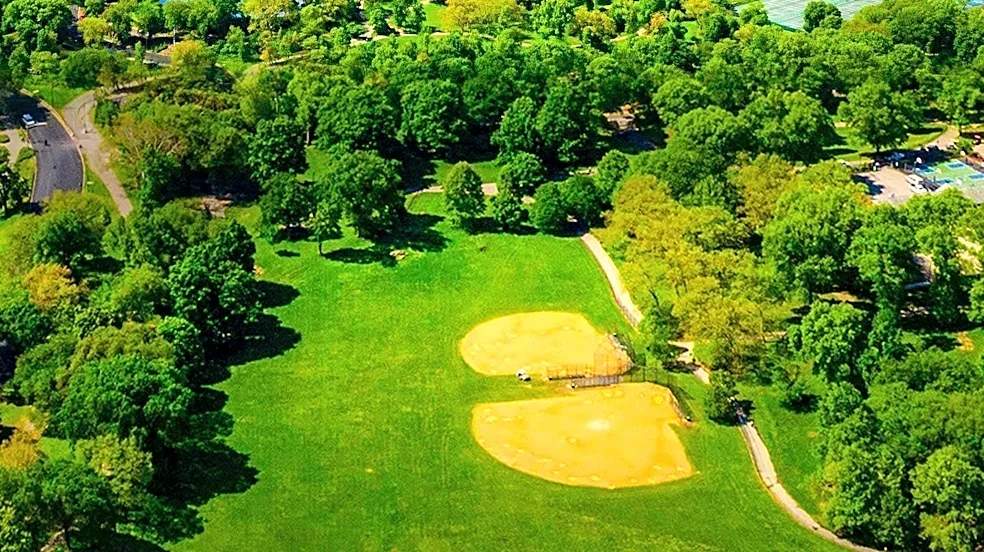
Congresswoman Nicole Malliotakis and New York City Council Member Frank Morano announced an agreement between New York City and the National Park Service to fund the remediation of radioactive contamination at Great Kills Park on Staten Island. This agreement marks
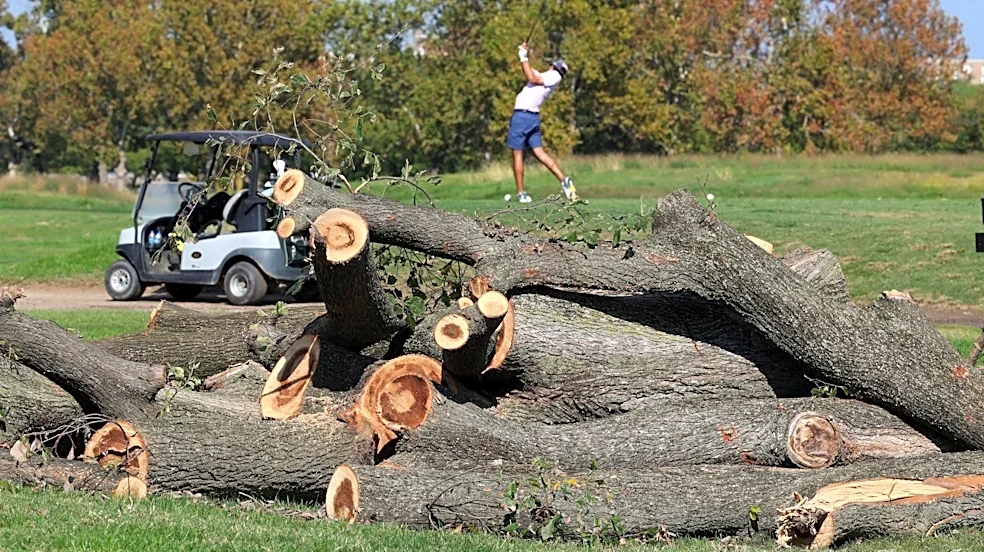
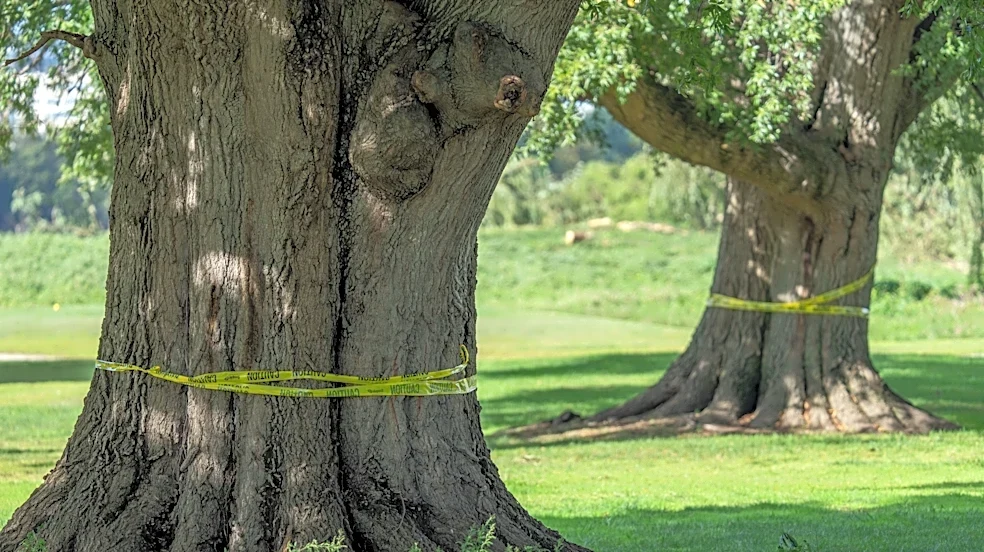
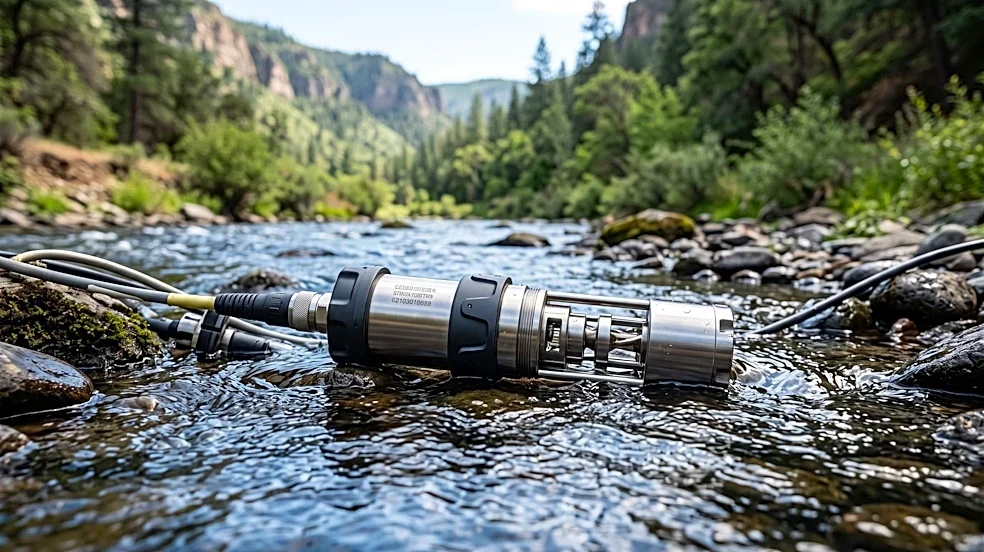
a significant step forward after years of delays in addressing the contamination, which spans over 200 acres of the park. The primary contaminant is Radium-226, believed to have originated from solid waste used as fill during the park's creation in the 1940s. The contamination was first discovered in 2005, leading to the closure of ballfields in 2009. Under the new agreement, New York City will be responsible for funding and completing the cleanup, with the U.S. Army Corps of Engineers prepared to execute the work on the city's behalf. This development follows a letter sent by Malliotakis and Morano in July, urging agencies to finalize the necessary agreements.
Why It's Important?
This agreement is crucial for the health and safety of Staten Islanders and the environmental restoration of a significant public space. The presence of Radium-226, a radioactive material, poses long-term health risks to the community. Furthermore, the cleanup is directly linked to the progress of the East Shore Seawall project, a massive coastal-protection initiative designed to safeguard Staten Island from future storms, such as Superstorm Sandy. Delays in the park's remediation have hindered the construction of critical components of the seawall, leaving thousands of residents vulnerable to coastal flooding and sea-level rise. The resolution of this long-standing environmental issue will not only reclaim a treasured park but also enable vital infrastructure development that enhances the region's resilience against climate impacts.
What's Next?
With the funding and implementation agreement now signed, the immediate next step is for the U.S. Army Corps of Engineers to commence the remediation work at Great Kills Park. City Department of Environmental Protection Commissioner Lisa F. Garcia has confirmed the agency is working closely with the National Park Service and the U.S. Army Corps of Engineers to get the cleanup underway. Once the radioactive contamination is remediated, construction can proceed on the levee and tide-gate portions of the East Shore Seawall. This will allow the broader coastal protection project to advance, ultimately providing enhanced storm protection for Staten Island residents. The focus will now shift from bureaucratic negotiations to the physical execution of the cleanup and subsequent infrastructure development.
Beyond the Headlines
The resolution of the Great Kills Park contamination highlights the complex interplay between environmental remediation, public health, and critical infrastructure projects. The decades-long delay underscores the challenges in addressing historical environmental damage, particularly when multiple governmental agencies are involved. This case also exemplifies the persistent advocacy required from local and federal representatives, like Congresswoman Malliotakis and Council Member Morano, to push through bureaucratic hurdles for community benefit. The successful agreement sets a precedent for inter-agency cooperation in tackling large-scale environmental and resilience challenges, demonstrating that sustained effort can lead to tangible progress in protecting both natural resources and human populations from past and future threats.