








What's Happening?
George Orwell's dystopian novel '1984' continues to be relevant in analyzing contemporary societal issues, particularly regarding surveillance and information control. The novel, published in 1949, depicts a totalitarian regime that exercises absolute
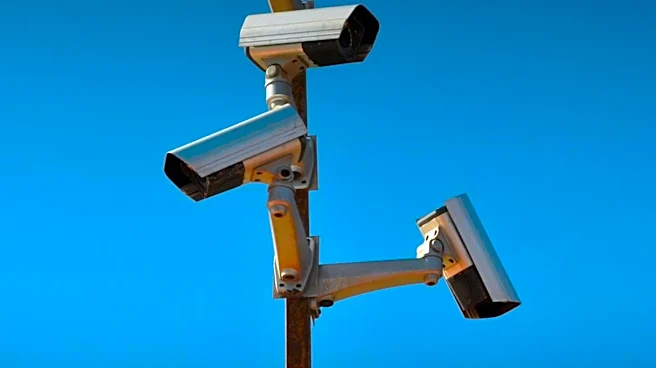
control over its citizens through mass surveillance and manipulation of information. Today, similar themes are observed in the widespread use of surveillance technologies, such as facial recognition and data collection by tech companies. These practices raise concerns about privacy and the potential for social control, echoing Orwell's warnings about the dangers of unchecked governmental power.
Why It's Important?
The parallels between '1984' and current societal trends highlight the ongoing debate about privacy, freedom, and the role of technology in governance. As surveillance technologies become more advanced, there is a growing need for regulatory frameworks to protect individual rights and prevent abuses of power. The novel's themes also underscore the importance of maintaining a free press and diverse information sources to ensure accountability and transparency in government actions. The discussion around these issues is crucial for shaping policies that balance security needs with civil liberties.