






What's Happening?
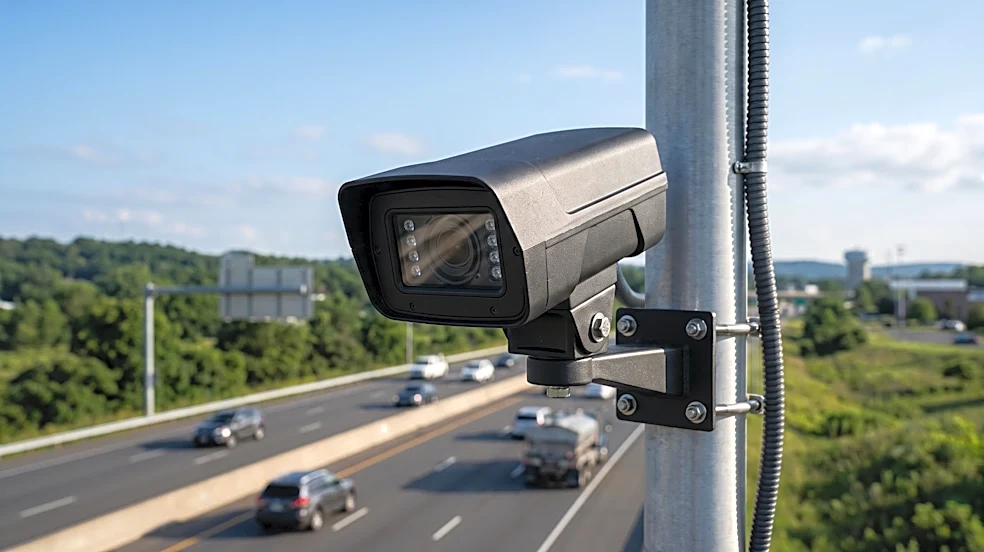
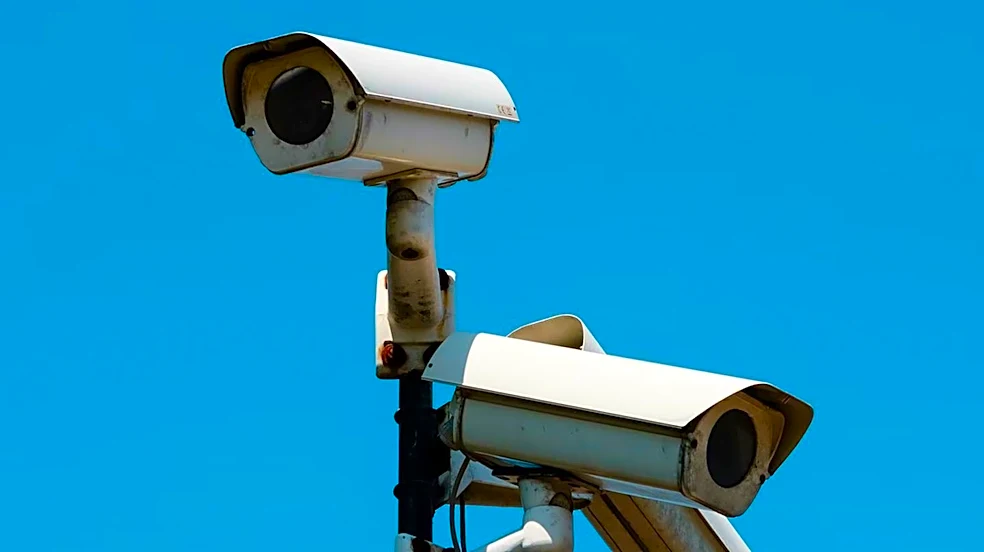
Tenured faculty members at the Massachusetts Institute of Technology (MIT) are protesting the university's $3 million investment in over 500 new AI-integrated surveillance cameras by decorating them with googly eyes, rhinestones, and other glitzy adornments.
This initiative, dubbed 'The Initiative to Beautify the AI-capable Surveillance Benevolently Installed by our Administrator Overseers and the MIT Corporation In Collaboration with Big Brother Tech Companies,' aims to highlight the pervasive nature of campus surveillance. The cameras, scheduled for deployment between 2025 and 2026, are reportedly capable of facial and object recognition using AI and are being installed in high-traffic areas, including academic facilities and exterior locations. Faculty members Catherine D'Ignazio, Marah Gubar, Tanalís Padilla, Dwai Banerjee, and Karrie Karahalios began this artistic protest in August, four months after the student newspaper, The Tech, reported on the university's surveillance expansion. The decorations do not impede the cameras' functionality but serve as a visual reminder to the community that they are under constant observation. An MIT spokesperson stated that the new cameras are intended to address gaps in the university's existing security camera coverage.
Why It's Important?
This protest at MIT underscores a growing national debate regarding privacy, surveillance technology, and the role of artificial intelligence in public and private spaces, particularly within educational institutions. The faculty's actions highlight concerns that advanced surveillance systems, even those justified for security, can create an 'AI-capable Panopticon' environment, potentially stifling free expression and academic freedom. The reluctance of students and staff to openly criticize the surveillance, fearing retaliation, points to a chilling effect that such technologies can have on campus communities. This situation is not isolated, as similar concerns have arisen at other universities, with surveillance cameras being used to identify and discipline student protesters, as seen at Columbia University and the University of Michigan. The involvement of tenured faculty, who possess a degree of protection against administrative pushback, is crucial in bringing these issues to light, as it allows for a more open challenge to policies that might otherwise go unquestioned due to fear of repercussions among less protected individuals.
What's Next?
The faculty's protest is expected to continue, with ongoing decoration sessions and efforts to raise awareness about the implications of expanded AI-integrated surveillance on campus. The university's response to these artistic interventions and the broader concerns raised by faculty and students will be closely watched. It remains to be seen whether MIT will reconsider its investment in AI-capable surveillance or modify its policies regarding data collection and usage. The ongoing dialogue may lead to further discussions within the university administration, potentially involving the faculty advisory committee established to evaluate AI technology in cameras, though some eligible members were reportedly excluded. The outcome at MIT could influence how other educational institutions approach the implementation of advanced surveillance technologies, particularly concerning the balance between security needs and the protection of privacy and civil liberties on campus. The broader implications for student activism and academic freedom in the face of increasing technological surveillance will also be a key area of focus.
Beyond the Headlines
The MIT faculty's 'bedazzling' protest delves into the ethical and cultural dimensions of surveillance in an increasingly digital world. By transforming security cameras into objects of art, the faculty are not only drawing attention to their presence but also challenging the perceived neutrality and authority of these devices. This act of artistic subversion reclaims a degree of agency in a system designed for passive observation. The comparison to artist Jill Magid's 2002 project, 'Rhinestoning Headquarters,' highlights a long-standing artistic tradition of critiquing surveillance. The protest also brings to the forefront the power dynamics within academic institutions, where tenured faculty can leverage their position to advocate for broader community rights. The fear of retaliation among students and non-tenured staff underscores a critical vulnerability in the face of institutional surveillance, suggesting that the impact of such technologies extends beyond mere data collection to influence behavior and dissent. This initiative prompts a deeper societal reflection on how technology shapes our public spaces and the extent to which we are willing to trade privacy for perceived security.