






What's Happening?
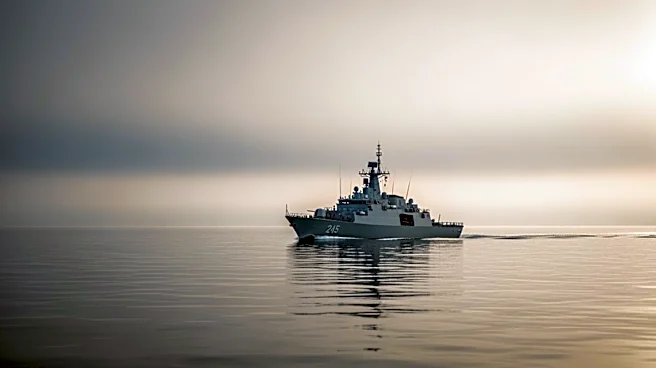
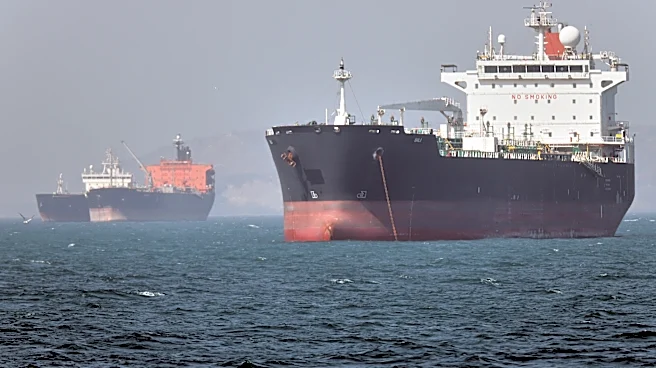
China is increasingly using a 'gray-zone fleet' composed of civilian and paramilitary vessels to exert pressure on Taiwan. This strategy involves deploying non-naval vessels such as the China Coast Guard, maritime militia fishing boats, and commercial
ships to harass and intimidate Taiwan without crossing the threshold into open conflict. Throughout 2025, these activities have been used to probe Taiwan's defenses and test its law enforcement capabilities. The Chinese strategy appears to focus on normalizing its presence in the Taiwan Strait, stretching Taiwan's response capacity, and gradually eroding control over its maritime areas. This approach allows China to maintain plausible deniability while exerting pressure on Taiwan.
Why It's Important?
The use of a gray-zone fleet by China represents a significant shift in its strategy towards Taiwan, emphasizing sustained pressure rather than direct military confrontation. This tactic allows China to challenge Taiwan's maritime control without provoking a conventional military response, thereby complicating Taiwan's defense strategy. The ambiguity of civilian vessels blurs the line between state-directed actions and private activities, making it difficult for Taiwan to respond effectively. This strategy could potentially lead to a permanent Chinese presence in the Taiwan Strait, undermining Taiwan's sovereignty and security. The situation also highlights the need for Taiwan and its allies to enhance maritime surveillance and strengthen legal frameworks for enforcement.
What's Next?
Taiwan and its partners are likely to focus on improving maritime transparency and enhancing the island's coastguard capabilities. This could involve integrating satellite imagery, AIS tracking, and radar monitoring to better identify suspicious vessel activities. Strengthening the protection of critical infrastructure, such as subsea cables, will also be crucial. Additionally, Taiwan's allies may increase operational cooperation and provide advanced surveillance tools to help Taiwan manage the large numbers of civilian vessels without escalating to military confrontation. These steps are essential to counter China's gray-zone tactics and prevent them from becoming a permanent feature in the region.
Beyond the Headlines
China's gray-zone strategy not only challenges Taiwan's immediate maritime control but also poses long-term implications for regional stability. By normalizing its presence in the Taiwan Strait, China could set a precedent for similar tactics in other contested areas, potentially leading to increased tensions in the South China Sea and beyond. The strategy also raises ethical and legal questions about the use of civilian vessels for state objectives, blurring the lines between civilian and military activities. This development underscores the importance of international cooperation in addressing gray-zone challenges and maintaining the rules-based maritime order.