




What's Happening?
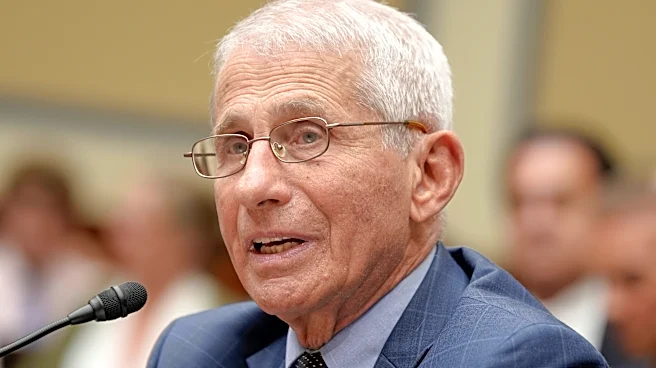
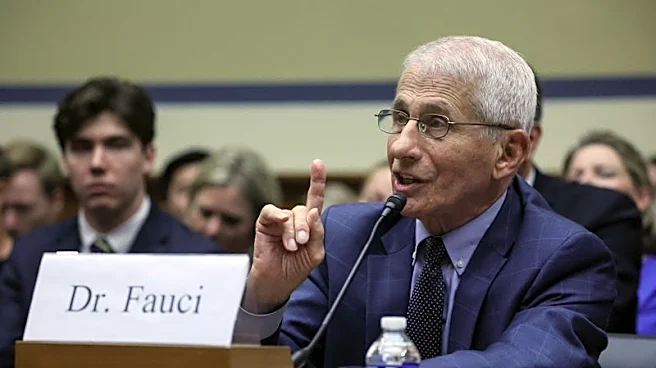
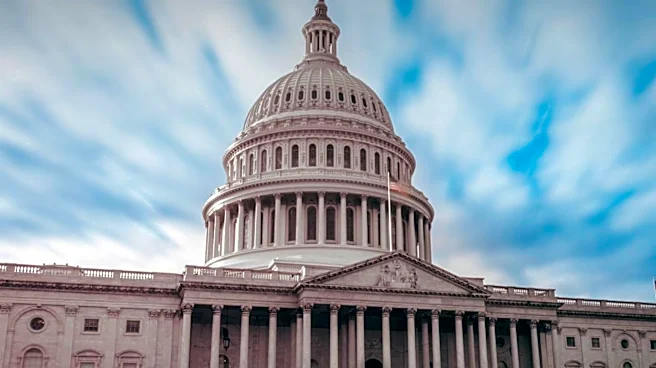
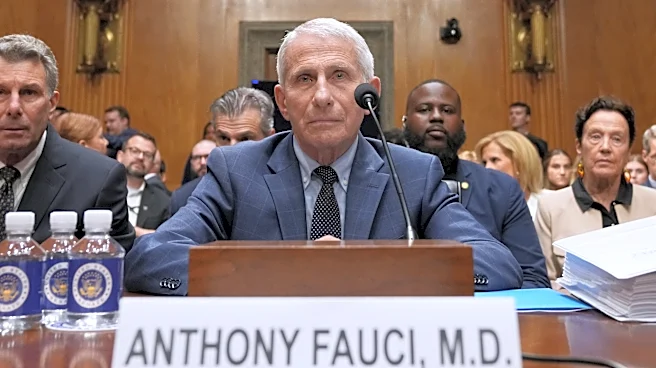
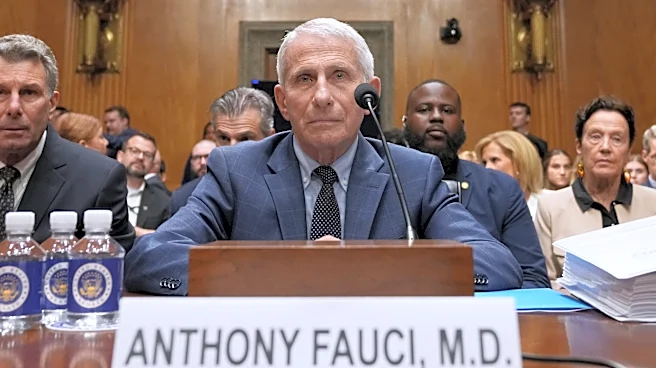
Dr. Anthony Fauci, the former top infectious disease expert in the U.S., is set to testify before the Senate Homeland Security and Governmental Affairs Committee. The hearing, prompted by a subpoena from Senator Rand Paul, will revisit contentious issues
surrounding Fauci's role during the COVID-19 pandemic. Paul has accused Fauci of misleading the public about U.S. funding of research at the Wuhan Institute of Virology. Despite receiving a presidential pardon, Fauci faces potential legal risks if his testimony is perceived as misleading. The hearing is expected to be a platform for Republicans to challenge Fauci's past statements and actions.
Why It's Important?
This hearing is significant as it highlights ongoing political tensions and differing narratives about the origins and handling of the COVID-19 pandemic. Fauci's testimony could influence public perception and trust in health institutions. The outcome may also impact future public health policies and the political landscape, especially as it relates to accountability and transparency in government responses to health crises. The hearing underscores the persistent divide in how the pandemic is viewed and managed politically.
What's Next?
Following the hearing, there may be increased calls for further investigations or legal actions depending on Fauci's responses. The political ramifications could extend to upcoming elections, as public health and pandemic management remain critical issues for voters. The hearing may also prompt discussions on the need for reforms in how health crises are managed and communicated to the public.