
What's Happening?
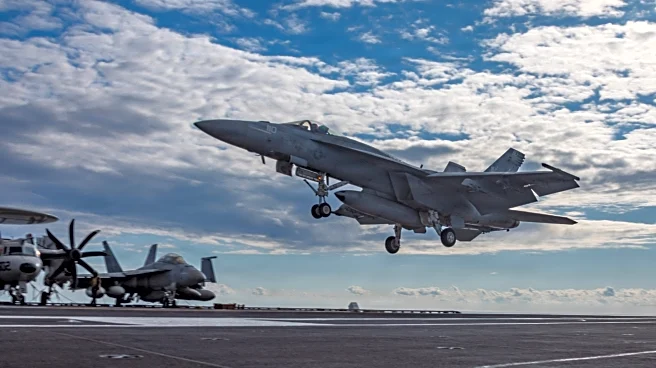
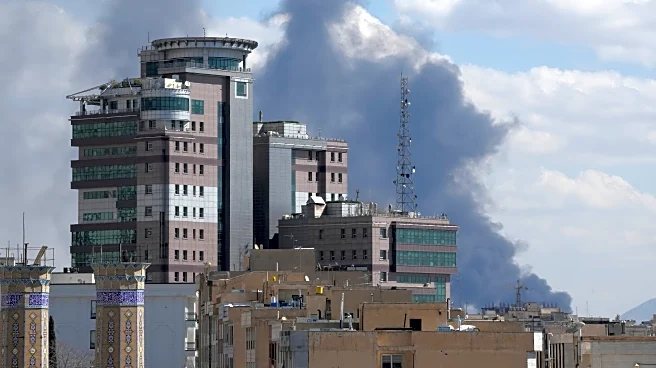
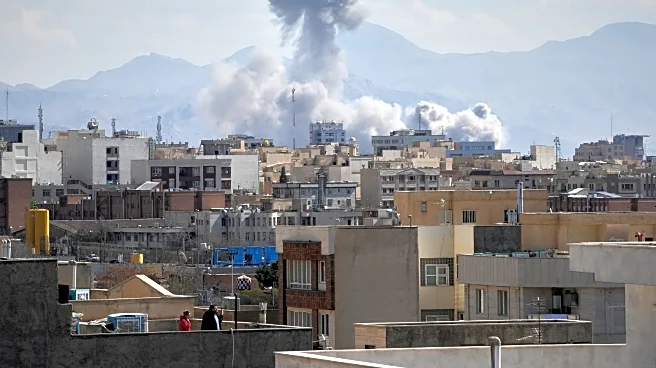
The United States has begun evacuating diplomats and shutting down some embassies as the conflict with Iran enters its fourth day. The U.S. and Israel have launched strikes against Iran, citing threats of an imminent attack. The conflict has expanded
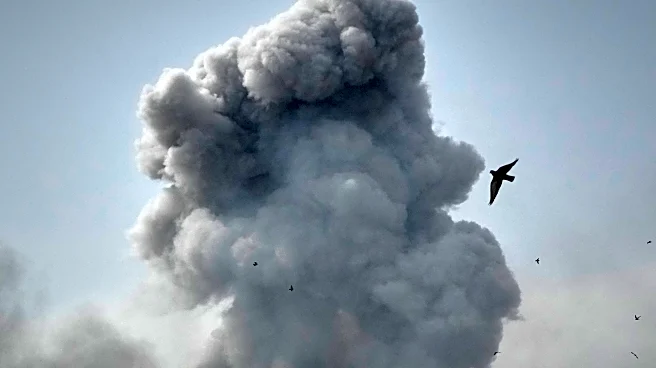
to include more parts of the Middle East, with Iranian drones striking U.S. embassies and commercial targets. The U.S. State Department has urged Americans to leave several countries in the region due to safety risks. The conflict has resulted in significant casualties, with hundreds killed in Iran and several U.S. service members among the dead.
Why It's Important?
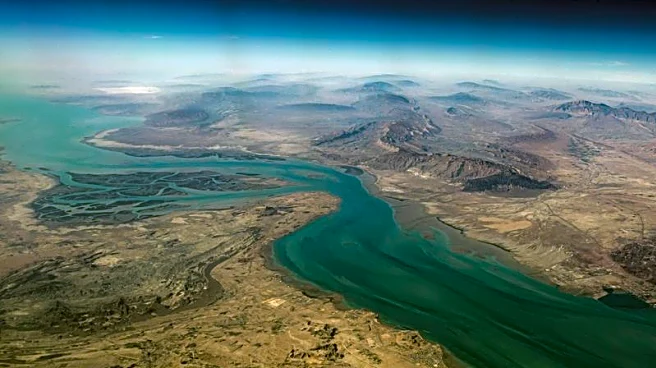
The escalation of conflict between the U.S. and Iran has significant implications for regional stability and global security. The closure of the Strait of Hormuz by Iran threatens global oil supplies, potentially leading to economic disruptions. The conflict also poses risks to U.S. diplomatic and military personnel in the region. The U.S. response, including military actions and evacuations, reflects the seriousness of the threat and the potential for further escalation. The situation could impact U.S. foreign policy and its relations with Middle Eastern countries.
What's Next?
The U.S. is likely to continue its military operations in the region while seeking diplomatic solutions to de-escalate the conflict. The international community may call for negotiations to prevent further escalation and address the humanitarian impact. The U.S. may also work with allies to ensure the safety of its citizens and secure critical infrastructure. The situation remains fluid, with potential for further developments as both sides assess their strategies and responses.