


What's Happening?
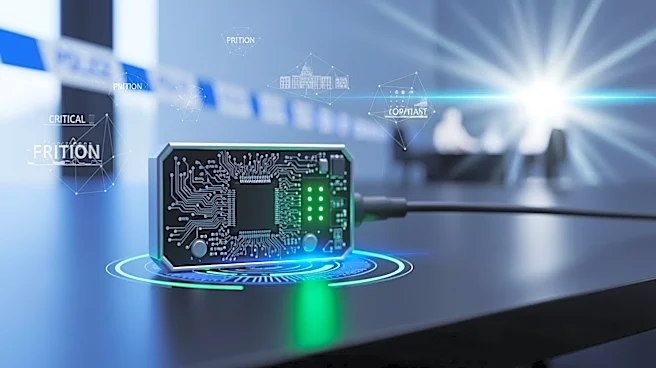
The U.S. Army is conducting market research to find sensor technologies capable of assessing the physiological effects of explosions on soldiers. This initiative aims to gather better data on troop health following exposure to blast overpressure, a sudden
expansion of air caused by explosions and weapon systems. The Army's request for information (RFI) seeks sensors that can measure bodily outputs such as brain activity, heart rate, and respiration. This effort is part of a broader study into the effects of blast overpressure, which has been a concern since the Global War on Terror. The ongoing conflict with Iran has highlighted the need for such technologies, as American troops face drone and missile attacks.
Why It's Important?
The development of advanced sensor technologies to monitor the effects of blasts on soldiers is crucial for improving military healthcare and readiness. Understanding the physiological impacts of explosions can lead to better treatment and prevention of conditions like traumatic brain injuries, which have long-term consequences for service members. This initiative reflects the military's commitment to addressing the health challenges faced by troops in modern warfare. The research could also drive innovation in sensor technology, benefiting both military and civilian applications.
What's Next?
The Army's RFI is open for responses until April 16, and the military will likely evaluate proposals from various industry players. Successful development and deployment of these sensors could lead to widespread adoption across the armed forces, enhancing the ability to monitor and treat blast-related injuries. The initiative may also prompt further research into the long-term health effects of blast exposure, potentially influencing military training and operational protocols.