





What's Happening?
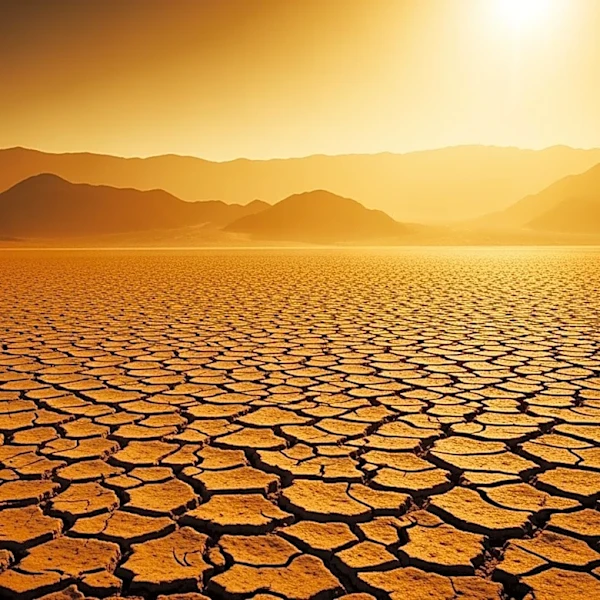
A severe heatwave is affecting millions in Arizona and California, with temperatures reaching levels typical of peak summer. The National Weather Service has issued extreme heat warnings and advisories, particularly in areas like Phoenix and California's
interior valleys. The early arrival of such high temperatures poses significant health risks, including heat exhaustion and respiratory issues, exacerbated by poor air quality. Residents are advised to take precautions, such as staying hydrated, limiting outdoor activities, and using cooling centers. The heatwave highlights the challenges of adapting to climate change and the need for public awareness and preparedness.
Why It's Important?
The heatwave underscores the growing impact of climate change, with extreme weather events becoming more frequent and intense. The health risks associated with high temperatures are particularly concerning for vulnerable populations, including the elderly and those with pre-existing health conditions. The situation also stresses the importance of infrastructure and community resources, such as cooling centers, to mitigate the effects of extreme heat. The economic implications are significant, as increased energy demand for cooling can strain power grids and lead to higher utility costs.
What's Next?
As the heatwave continues, authorities will monitor conditions and provide updates to ensure public safety. Long-term, there may be increased efforts to improve urban planning and infrastructure to better cope with extreme weather. This could include expanding green spaces, enhancing building designs for better heat management, and investing in renewable energy to reduce reliance on fossil fuels. Public health campaigns may also be intensified to educate communities on coping strategies during heatwaves.