






What's Happening?
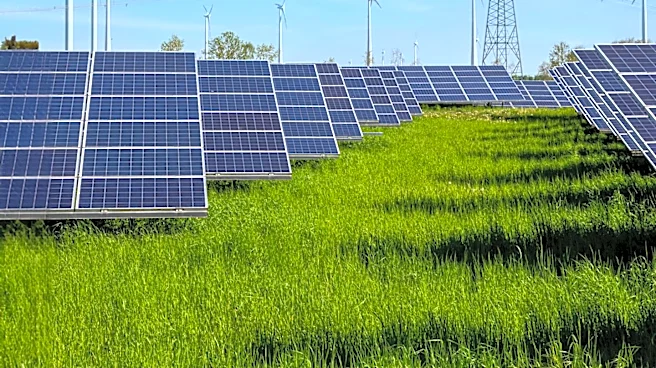
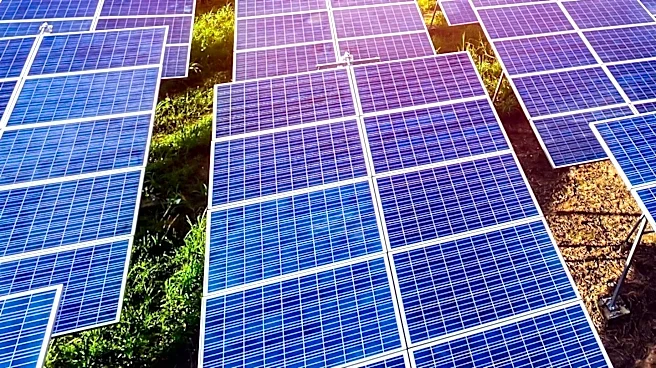
Jared Harris, a resident of Dubois County, has penned a letter to the editor expressing concern over the perceived lack of decisive action by Dubois County Commissioners regarding the Ireland Solar, or 'Shamrock Project,' and related issues of zoning
and Battery Energy Storage Systems (BESS). Mr. Harris notes that a moratorium on such projects is set to expire in December, with only two months remaining. He questions whether the Commissioners are genuinely working to protect residents' interests or merely buying time, especially given that county officials have been aware of the potential solar project for at least 10 months. The letter emphasizes that residents need action and transparency, not just public meetings and announcements, and that the real test of the Commissioners' commitment will come in November.
Why It's Important?
This letter highlights a significant local governance issue where residents are demanding accountability and proactive decision-making from their elected officials. The 'Shamrock Project' and the broader concerns about solar development and BESS facilities represent a growing tension between energy development and community interests, particularly regarding land use and environmental impact. The expiring moratorium creates a critical deadline, putting pressure on the Commissioners to demonstrate tangible progress. Mr. Harris's call for transparency and action reflects a common sentiment among citizens who feel their concerns are not being adequately addressed by local government. This situation is important as it tests the responsiveness of local political structures to community demands and the effectiveness of public engagement in shaping local policy.
What's Next?
With the moratorium expiring in December, the Dubois County Commissioners face an imminent deadline to address the concerns raised by residents regarding the Ireland Solar project, zoning, and BESS. The 'real test' for the Commissioners is anticipated in November, suggesting that residents will be closely monitoring their actions and decisions. This could lead to further public meetings, policy debates, or even protests if residents feel their concerns are not adequately resolved. The outcome will likely influence future local elections and the relationship between the community and its governing body. The situation also sets a precedent for how similar energy development projects might be handled in other U.S. counties facing similar challenges.
Beyond the Headlines
The issue in Dubois County transcends a simple land-use dispute; it touches upon the broader ethical considerations of energy transition and local autonomy. While renewable energy projects like solar farms are crucial for addressing climate change, their implementation often raises questions about local environmental impact, property values, and the democratic process. Mr. Harris's letter implicitly questions the balance between economic development and community well-being, and whether local officials are prioritizing the long-term interests of their constituents. The perceived 'foot-dragging' by officials can erode public trust, leading to increased civic engagement and potentially more confrontational approaches from residents. This scenario underscores the complex interplay between national energy goals and local community rights, highlighting the need for transparent and inclusive decision-making processes.