







What's Happening?
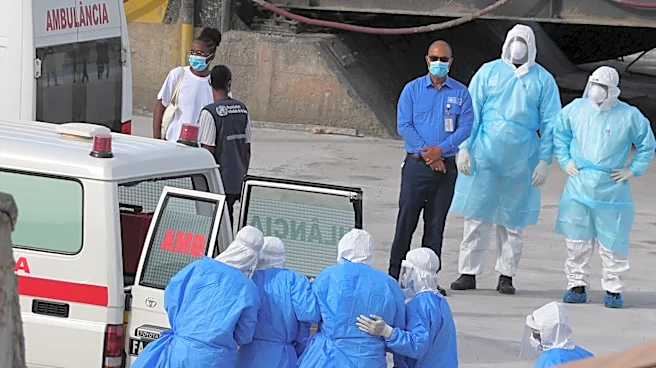
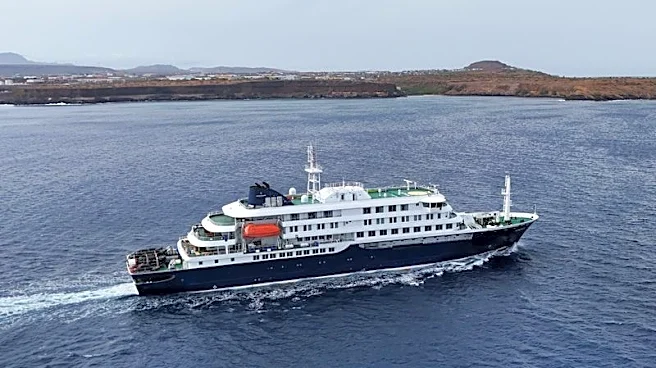
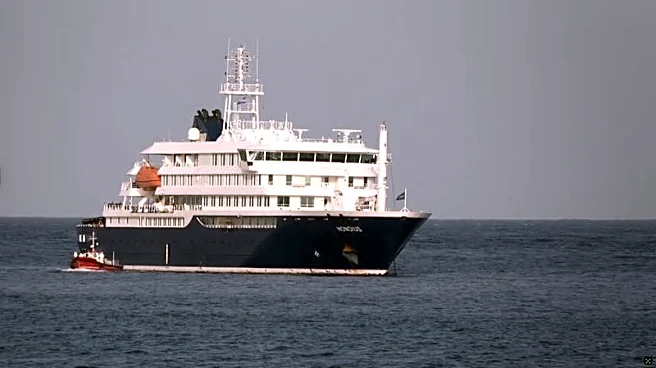
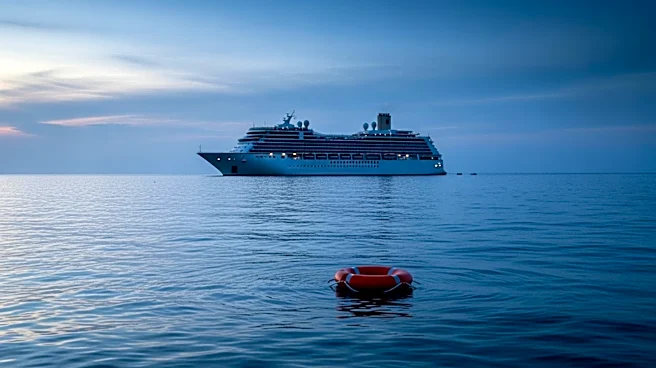
A hantavirus outbreak on the MV Hondius cruise ship has resulted in three deaths and several confirmed cases, prompting a response from the World Health Organization (WHO). The ship, currently en route to the Canary Islands, evacuated three individuals
in Cape Verde, including the ship's doctor who was likely infected while treating passengers. WHO officials, including Maria Van Kerkhove, emphasized that this outbreak does not pose a pandemic threat similar to COVID-19, as hantavirus is less transmissible and less prone to mutation. The virus is typically spread through contact with infected rodent droppings or inhaling contaminated dust, with symptoms that can lead to severe respiratory issues. Efforts are underway to trace approximately 30 passengers who disembarked in Saint Helena and others potentially exposed.
Why It's Important?
The hantavirus outbreak on the cruise ship highlights the ongoing challenges of managing infectious diseases in confined environments, reminiscent of early COVID-19 cruise ship incidents. However, the WHO's assurance that hantavirus is not easily transmissible between humans provides some relief. The situation underscores the importance of rapid response and containment measures to prevent potential spread. The incident also raises questions about the protocols for handling infectious disease outbreaks on international vessels and the responsibilities of countries where such ships dock. The economic and public health implications are significant, as cruise lines and tourism sectors remain sensitive to health scares that could deter travelers.
What's Next?
The MV Hondius is expected to arrive in Tenerife, Canary Islands, where it will anchor offshore. Spanish health authorities are preparing to manage the situation, ensuring that no new cases emerge before passengers and crew are allowed to return to their home countries. The WHO is coordinating with local governments to develop a plan for safe disembarkation and repatriation. The incident may prompt a review of international health regulations concerning cruise ships and infectious disease management, potentially leading to stricter guidelines and improved preparedness for future outbreaks.