




What's Happening?
The Air Force has deactivated the Junior Reserve Officer Training Corps (JROTC) program at Lewiston High School, citing sustained noncompliance with facility and space requirements. Air Force personnel informed Lewiston's superintendent on July 28 that
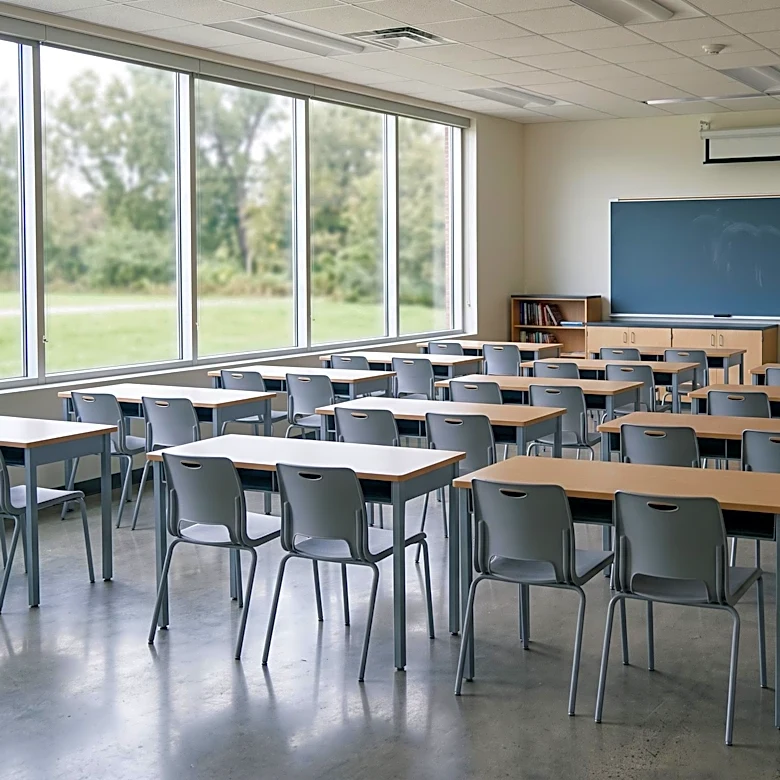
the areas designated for the program at the high school did not meet their standards. Specifically, two of the allocated spaces were deemed unsecured and accessible to other school personnel, which violates the program's requirements for secure, dedicated spaces. Captain Rachael Parks, public affairs officer for the Air Force Junior ROTC, stated that the school was given a three-year remediation window to address these issues, and multiple on-site visits documented the deficiencies. Despite the school's efforts to accommodate the program within existing constraints, the Air Force concluded that an actionable solution meeting baseline security and inventory control standards was not provided.
Why It's Important?
The discontinuation of the Air Force JROTC program at Lewiston High School represents a significant loss for students and the community. The program, which had been active for nearly 40 years, served hundreds of students, with some going on to join the Air Force. School leaders and alumni express disappointment, emphasizing the program's positive impact on student development, leadership skills, and civic engagement. The JROTC program provided a structured environment and unique opportunities that are now unavailable to current and future students. This decision also highlights the challenges faced by schools in meeting specific federal program requirements, especially when dealing with existing infrastructure limitations. The loss of such a long-standing program can affect school morale and reduce the diversity of extracurricular and career-oriented options available to students.
What's Next?
Lewiston High School will no longer host the Air Force JROTC program. Superintendent Jake Langlais expressed his disagreement with the Air Force's decision, stating that the accommodations made were reasonable given the school's constraints. While the Air Force maintains that the deactivation was solely due to facility noncompliance and not related to the retirement of the JROTC instructor, students interested in similar programs are encouraged to explore alternatives like the Civil Air Patrol or Collegiate Air Force ROTC. Lewiston High School has already begun offering an outdoor skills class based on the Junior Maine Guides program as a new option for students. The community and alumni are likely to continue expressing their disappointment, but the Air Force's decision appears final, based on their stated compliance standards.
Beyond the Headlines
The deactivation of the JROTC program at Lewiston High School underscores a broader issue regarding the resources and infrastructure available to public schools, particularly in older facilities. The Air Force's strict requirements for secure and dedicated spaces, while understandable from a federal program perspective, may not always align with the practical realities and budgetary limitations of local school districts. This situation could prompt other schools hosting JROTC programs to review their facilities to ensure compliance, potentially leading to similar deactivations if issues are found. Furthermore, it raises questions about the flexibility of federal programs to adapt to local conditions and the potential for collaboration to find solutions that benefit both the program's standards and the students' access to valuable opportunities. The incident also highlights the emotional attachment communities have to long-standing educational programs and the impact when such programs are withdrawn.