






What's Happening?
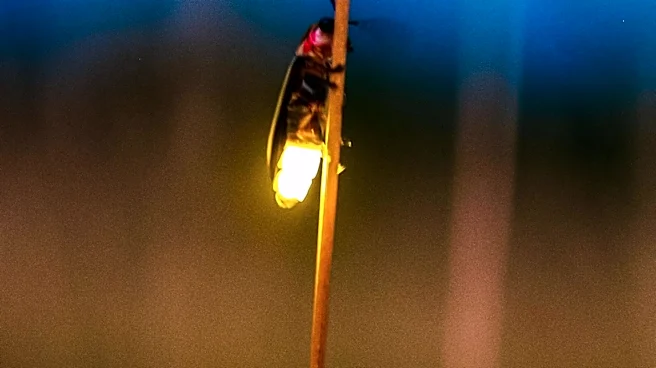
A firefly species, *Pyractomena similis*, previously considered 'lost' since its last documented sighting in 1983, has been rediscovered in the eastern U.S. This species, known as the similar firefly, was observed three times in spring 2026: twice in Virginia
and once in Delaware. Entomologist Christopher Heckscher identified the species in Delaware's Brandywine Creek State Park by its distinctive quick string of amber flashes, marking the first record of the firefly in the state. The rediscovery was also aided by citizen science, with an observer posting a sighting to iNaturalist. A new paper in the *Journal of Lost Species* highlights that 28 firefly species in the U.S. and Canada are considered lost to science, meaning they haven't been seen in at least a decade.
Why It's Important?
The rediscovery of the similar firefly is significant for biodiversity conservation and entomological research in the U.S. It offers hope that many other 'lost' insect species may still exist, emphasizing the importance of targeted surveys and citizen science efforts. Fireflies play crucial roles in ecosystems, and their presence indicates healthy habitats. Their vulnerability to habitat loss, pesticides, light pollution, and climate change makes their conservation a priority. This finding underscores the need for protecting and restoring diverse habitats, such as meadows with abundant food sources and dark nights, which are essential for firefly survival. The success of citizen science in this rediscovery also highlights its potential to contribute valuable data to conservation efforts, engaging the public in scientific discovery.
What's Next?
Researchers plan to continue targeted surveys for other 'lost' firefly species, building on the success of this rediscovery. The *Journal of Lost Species* paper serves as a call to action for increased research and conservation efforts for these overlooked insects. Conservation organizations and scientists will likely encourage more public participation in citizen science projects like Firefly Watch to gather more data on firefly populations. Efforts will also focus on habitat protection and restoration, including reducing light pollution, minimizing pesticide use, and preserving natural landscapes. The rediscovery may also spur further research into the specific ecological requirements of *Pyractomena similis* to ensure its long-term survival and inform broader firefly conservation strategies.
Beyond the Headlines
The reappearance of the similar firefly transcends a simple scientific rediscovery; it symbolizes the resilience of nature and the potential for overlooked species to persist despite environmental pressures. This event highlights the critical role of 'dark nights' for nocturnal fireflies, drawing attention to the pervasive issue of light pollution and its impact on insect populations and ecological processes. The story also subtly critiques the anthropocentric view of nature, where species are deemed 'lost' simply because they haven't been observed by humans, rather than being truly extinct. It encourages a deeper appreciation for the hidden biodiversity that surrounds us and the ethical responsibility to protect even the smallest and most elusive creatures, recognizing their intrinsic value and their contribution to ecosystem health.