





What's Happening?
The Trump administration has faced legal challenges in its attempts to halt offshore wind energy projects along the U.S. East Coast. Despite President Trump's orders to pause leasing and permitting for wind energy projects, federal courts have intervened,
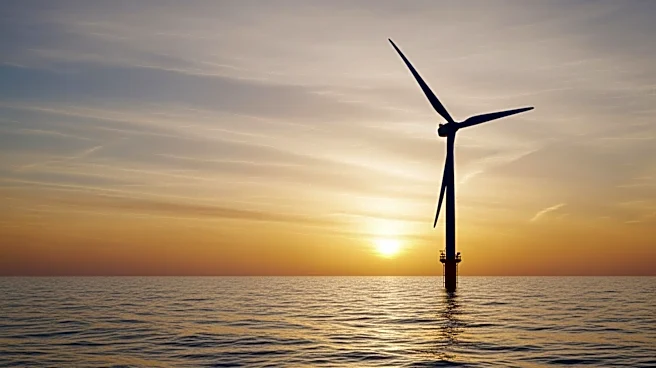
striking down some of these efforts. The administration had also negotiated a $1-billion settlement to stop offshore wind development and added additional review layers for wind and solar projects. However, these actions have been partially blocked by judicial rulings. Offshore wind farms, such as those off the coast of Rhode Island, continue to operate and expand, providing clean electricity to approximately 1 million homes across the Northeast. The Revolution Wind and Sunrise Wind projects are key developments in this sector, with Revolution Wind nearing completion and already contributing power to New England's grid.
Why It's Important?
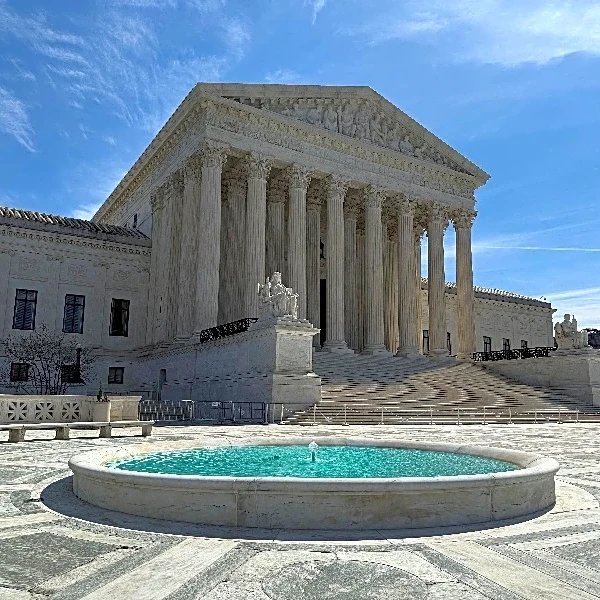
The continuation of offshore wind projects is crucial for meeting the rising electricity demand in coastal states with limited land for large-scale energy projects. The legal setbacks faced by the Trump administration highlight the judiciary's role in balancing executive actions with environmental and energy policy goals. Offshore wind energy is seen as a vital component in the transition to clean energy, addressing climate change, and reducing reliance on fossil fuels. The ongoing development of these projects supports job creation and economic growth in the renewable energy sector. The legal rulings against the administration's attempts to halt these projects underscore the resilience of the clean energy movement and its importance in the broader context of U.S. energy policy.
What's Next?
As offshore wind projects continue to progress, further legal and political challenges may arise. The administration's stance on renewable energy could lead to additional policy changes or attempts to impose regulatory hurdles. However, the momentum of the offshore wind industry, supported by judicial decisions, suggests that these projects will likely continue to expand. Stakeholders, including state governments and energy companies, are expected to advocate for the completion and expansion of these projects to meet energy demands and environmental goals. The ongoing development of offshore wind farms will likely influence future energy policies and the U.S.'s approach to climate change mitigation.