









What's Happening?
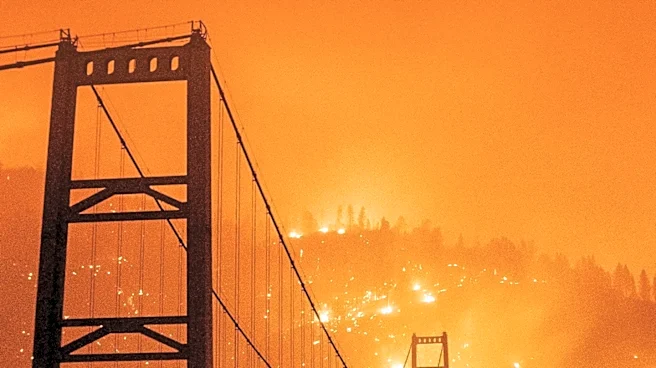
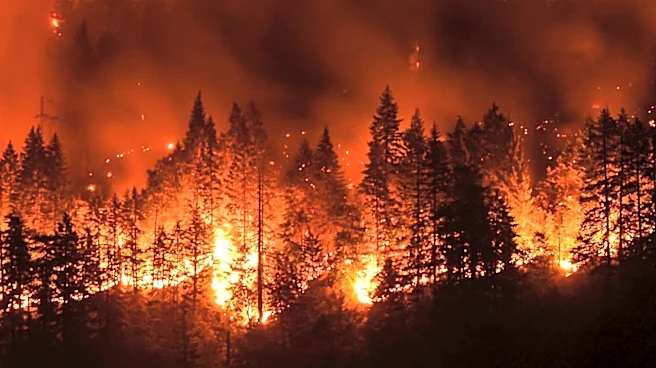
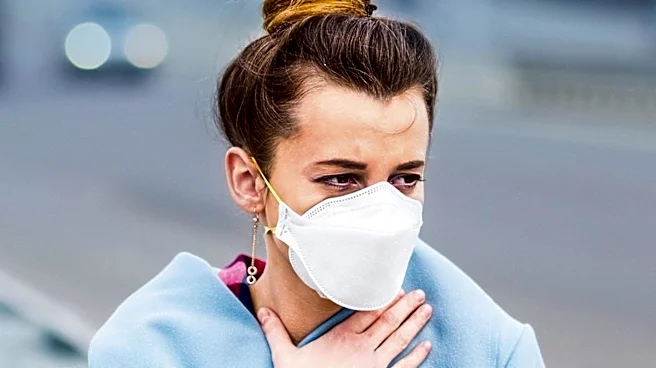
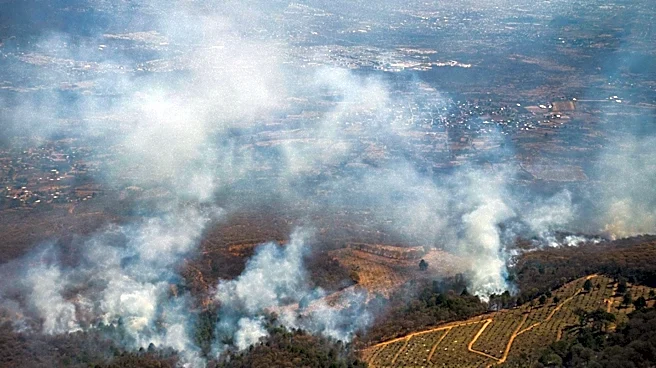
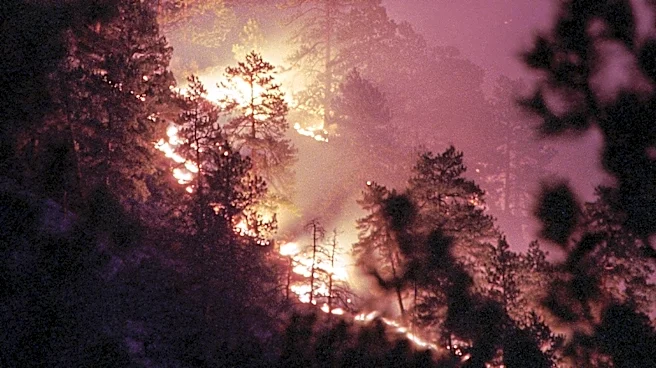
Wildfire smoke, increasingly common in the U.S. due to fires in Canada, poses significant health risks beyond respiratory issues. The smoke contains harmful pollutants like PM2.5, NO2, and lead, which can affect the heart, brain, and even developing fetuses.
Research indicates that chronic exposure to wildfire smoke increases the risk of strokes and cardiovascular problems. The smoke's small particles can enter the bloodstream, causing oxidative stress and exacerbating diseases. The health impacts are widespread, affecting mental health and increasing the risk of chronic diseases.
Why It's Important?
The pervasive health impacts of wildfire smoke highlight the urgent need for public health strategies to mitigate exposure. As wildfires become more frequent, understanding the full scope of health risks is crucial for protecting vulnerable populations, including older adults, children, and those with pre-existing conditions. The findings emphasize the importance of air quality monitoring and the development of policies to reduce exposure, particularly in areas frequently affected by wildfire smoke. This issue also underscores the broader implications of climate change on public health.
What's Next?
Efforts to address the health impacts of wildfire smoke may include enhancing public awareness campaigns about the risks and protective measures. Governments and health organizations might invest in air quality monitoring systems and develop guidelines for safe indoor environments during smoke events. Research into the long-term health effects of smoke exposure could inform future public health policies. Additionally, strategies to mitigate climate change and reduce the frequency of wildfires could play a critical role in addressing the root causes of this health issue.