
What's Happening?
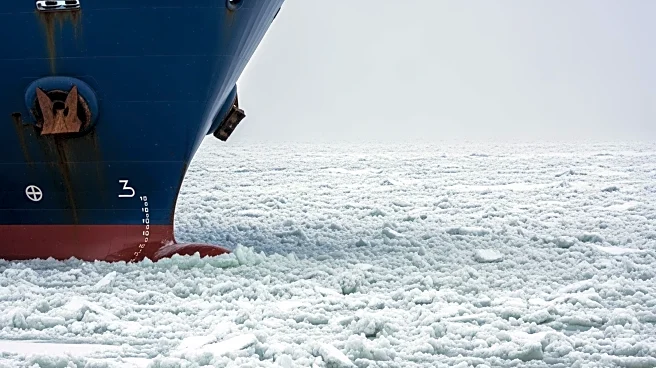
Cleveland-Cliffs is experiencing significant challenges in maintaining its steel operations over the winter due to delayed ore shipments. The delays are attributed to the early onset of harsh winter conditions affecting shipping across the Great Lakes
region. The U.S. Coast Guard has initiated its annual ice-breaking operations, known as Operation Coal Shovel, to assist in maintaining shipping lanes. However, mechanical issues and limited operational capacity have hindered progress. The Canadian Coast Guard is also engaged in ice-breaking efforts but is preoccupied with ice along the St. Lawrence Seaway. The Soo Locks, a critical passage between Lake Superior and Lake Huron, are scheduled to close on January 15, adding urgency to the situation.
Why It's Important?
The delays in ore shipments to Cleveland-Cliffs could have significant implications for the steel industry, particularly in maintaining production levels during the winter months. The steel produced is crucial for various sectors, including construction and manufacturing. Any disruption in supply could lead to increased costs and potential shortages. The situation also highlights the importance of effective ice-breaking operations in maintaining the flow of goods across the Great Lakes, a vital transportation route for raw materials. The challenges faced by the U.S. and Canadian Coast Guards underscore the need for robust infrastructure and resources to manage winter conditions effectively.
What's Next?
With the scheduled closure of the Soo Locks on January 15, there is a pressing need for expedited ice-breaking efforts to ensure the timely delivery of ore shipments. Stakeholders, including Cleveland-Cliffs and the Lake Carriers’ Association, may push for increased resources and support from the Coast Guards to address the mechanical issues and operational limitations currently hindering progress. The situation may also prompt discussions on long-term strategies to enhance winter shipping resilience in the Great Lakes region.