





What's Happening?
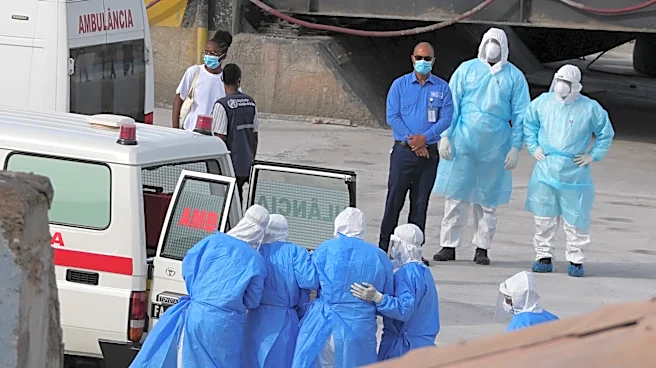
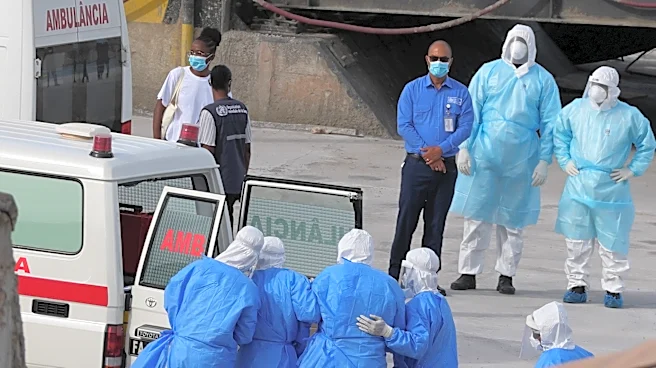
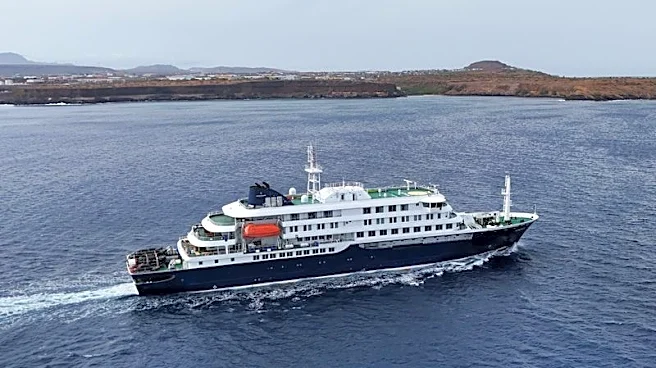
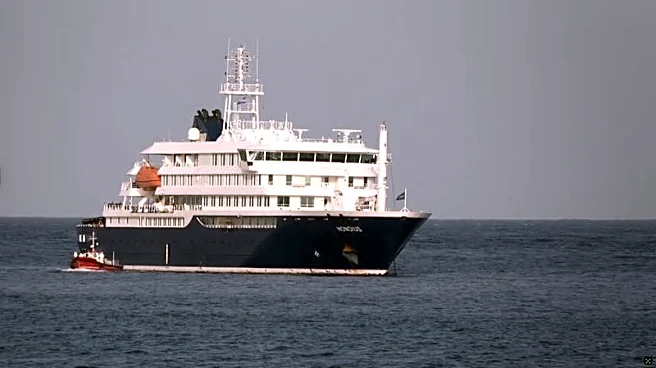
Spanish authorities are preparing to receive over 140 passengers and crew from the MV Hondius, a cruise ship affected by a hantavirus outbreak, as it heads for the Canary Islands. The ship is expected to arrive at Tenerife, where health officials will
conduct careful evacuations. The U.S. and U.K. governments are arranging flights to repatriate their citizens. At least three passengers have died, but the World Health Organization (WHO) considers the risk to the wider public as low. The virus, typically spread through rodent droppings, is not easily transmitted between people.
Why It's Important?
The arrival of the MV Hondius in the Canary Islands poses logistical and public health challenges for Spanish authorities. The need for coordinated international efforts to manage the repatriation of citizens highlights the complexities of handling infectious disease outbreaks in global travel. The WHO's assessment of low public risk is crucial in preventing panic, but the situation underscores the importance of robust health protocols in travel settings. This incident may influence future policies on cruise ship operations and international health regulations.
What's Next?
Spanish authorities will conduct the evacuation process with strict health measures to prevent any potential spread of the virus. The repatriation of U.S. and U.K. citizens will be closely monitored, with passengers traveling in isolated conditions. Health officials will continue to track and monitor passengers who disembarked before the outbreak was detected. This situation may lead to increased scrutiny of health measures on cruise ships and could prompt changes in international travel regulations to enhance safety and prevent similar outbreaks.